
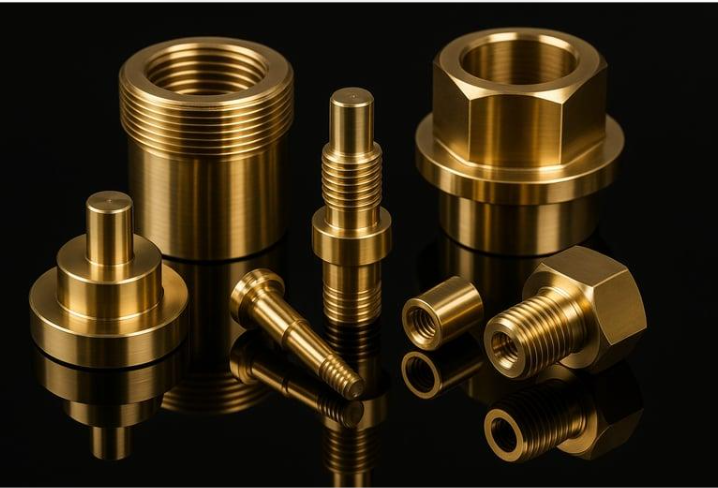
Modern factories rely on parts that fit perfectly, work the same every time, and meet strict engineering demands. Whether it’s electrical assemblies or heavy-duty machines, precision brass components make it possible to build products with solid connections, accurate measurements, and straightforward assembly.
These brass parts come in all shapes and sizes—threaded fittings, pins, bushes, connectors, inserts, and plenty of custom designs. The exact shape depends on where and how they’re used.
JV Enterprise, out of Jamnagar, Gujarat, specializes in manufacturing brass components. If you’re looking to source precision brass parts, everything starts with a clear technical drawing, picking the right materials, and setting quality standards that aren’t up for debate.
What Are Premium Brass Precision Components?
Brass precision components aren’t just any metal parts. Manufacturers shape them from brass to exact measurements and tight tolerances, so they fit and function according to the engineering specs. Engineers turn to these components when every detail matters—threading, surface finish, even the way the part slots into an assembly.
They’re nothing like general-purpose metal pieces. Precision components demand meticulous attention to critical dimensions and consistency. The manufacturing process often involves turning, drilling, tapping, or milling—whatever matches the application.
The final design really comes down to the component’s job, which brass alloy fits best, how many will be made, and what tolerances the customer needs. Every choice impacts how the part will look and perform.
Why Brass Is a Preferred Material for Precision Components
Brass offers several useful properties for manufacturing applications. The appropriate grade should always be selected according to the part’s mechanical, electrical and environmental requirements.
1. Excellent Machinability
Many brass alloys are suitable for turning, drilling and threading. Their machinability makes them useful for producing detailed profiles, small components and threaded features.
2. Dimensional Accuracy
Suitable machining processes and inspection methods help manufacturers achieve the specified component dimensions. Accuracy depends on the part design, equipment, process controls and required tolerances.
3. Electrical Conductivity
Brass conducts electricity and is used in selected electrical components, terminals and connectors. The specific alloy must meet the electrical requirements of the intended application.
4. Corrosion Resistance
Many brass grades provide resistance to corrosion in suitable environments. The level of resistance depends on alloy composition, exposure conditions and the presence of other materials.
5. Flexible Component Design
Brass can be machined into a wide range of profiles, including sleeves, pins, threaded inserts, connectors and specially shaped parts. This flexibility supports different manufacturing and assembly requirements.
Premium Brass Precision Components types :-
Different industries require different component geometries. The following categories illustrate common brass precision parts used in manufacturing.
1. Brass CNC Turned Components
CNC-turned brass components are produced using computer-controlled turning equipment to create specified diameters, lengths, grooves and other profiles. They are useful when consistent dimensions and repeatable production are required.
2. Brass Electrical Components
Electrical brass components may include pins, terminals, contacts and connector parts. Their design must account for electrical conductivity, contact resistance, operating temperature and the mechanical requirements of the assembly.
3. Brass Bushes and Sleeves
Brass bushes and sleeves are cylindrical components that may serve as spacers, supports, threaded fittings or locating elements. Their bore dimensions, external diameter and length must match the intended assembly.
4. Brass Inserts
Brass inserts are used in compatible assemblies to provide threaded mounting points or joining features. Depending on their application, they may be designed for installation into plastic components or other suitable materials.
5. Custom Brass Machined Parts
Custom brass components are manufactured to application-specific drawings or approved samples. They may include special threads, stepped profiles, grooves, bores or other features that are not available in standard designs.
Product availability and manufacturing suitability should be confirmed against the supplier’s capabilities.
Industries That Use Precision Brass Components
Brass precision parts show up all over the place—each industry leans on them for its own reasons, depending on what’s needed. In electrical and electronics work, you’ll find brass pins, terminals, and connectors. These pieces fit right into electrical assemblies, carrying current and staying reliable.
Automotive manufacturing uses brass in a slightly different way: the right components become part of the electrical system or fittings inside the car. Industrial machinery relies on machined brass parts as spacers, sleeves, and connectors. They help equipment run smoothly.
In plumbing and fluid handling, brass fittings and threaded parts keep fluid systems tight and leak-free. Engineers have to pick the right alloy—factoring in the fluid, pressure, temperature, and whichever standards the job demands. General engineering calls for custom brass pieces once manufacturers need a specific profile, dimension, or threaded connection.
One thing remains constant: before any material or design gets the go-ahead, you have to look at how the component will actually work in its environment. The real-world conditions always matter most.
How Brass Precision Components Are Manufactured
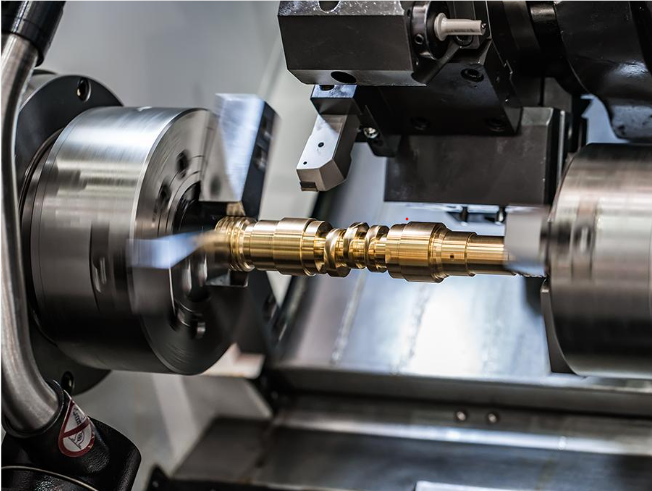
Precision manufacturing involves several stages, from interpreting the engineering drawing to inspecting the finished component.
Step 1: Drawing and Specification Review
The required dimensions, tolerances, thread details, material grade, surface finish and order quantity are reviewed before production planning.
Step 2: Brass Material Selection
The brass grade is selected according to the approved specification and the component’s intended use. Any special material or documentation requirements should be confirmed before manufacturing.
Step 3: Precision Machining
Suitable turning, drilling, tapping or other machining processes are selected to create the required geometry. The process depends on the component design and production quantity.
Step 4: Deburring and Finishing
Machined edges are finished according to the drawing. Where necessary, the component may require a specified surface treatment or plating process.
Step 5: Dimensional Inspection
Critical dimensions are checked against the agreed specifications. Inspection may include diameter, length, bore size, thread dimensions and surface condition.
Step 6: Packing and Dispatch
Finished components are packed according to the order requirements to help protect them from handling damage during storage and transportation.
What to Check Before Choosing a Brass Precision Components Manufacturer
Choosing the right supplier can make or break your manufacturing process, especially when you rely on steady component quality and a predictable production schedule.
Start by checking their machining capabilities. Can they handle the shapes and features you need? Get clear about the brass grade—what kind of brass are you after, and do they have the necessary certifications or material documents?
Look closely at dimensional tolerances. Take your technical drawings and highlight those measurements that really matter. How much wiggle room is there? You’ll want those limits set in stone.
Set up a quality inspection plan before production starts. Lay out the steps and standards, so there’s no confusion down the line. If you need custom manufacturing, ask if they’re comfortable building from your drawings or samples you approve.
Talk quantities—figure out how many prototypes you need, what batch sizes you expect, and what happens with repeat orders. Work together on delivery schedules and packing requirements that actually fit your needs.
A thorough technical spec leaves less room for error and keeps everyone in the loop. Good specs, good communication. That’s how you avoid headaches on the shop floor.
Brass Precision Components Manufacturing at JV Enterprise
For an accurate manufacturing assessment, provide the component dimensions, required tolerances, thread details, brass grade and any specified finishing or inspection requirements.
JV Enterprise is based in Jamnagar, Gujarat, India, a recognised centre for brass component manufacturing. Businesses looking for precision brass parts can begin their enquiry by sharing drawings, material requirements and estimated quantities.
Custom components should be reviewed against the manufacturer’s actual machinery, process capabilities and quality arrangements before the order is confirmed.
By defining these requirements at the beginning, buyers can make a more informed decision when sourcing brass precision components for industrial and electrical applications.