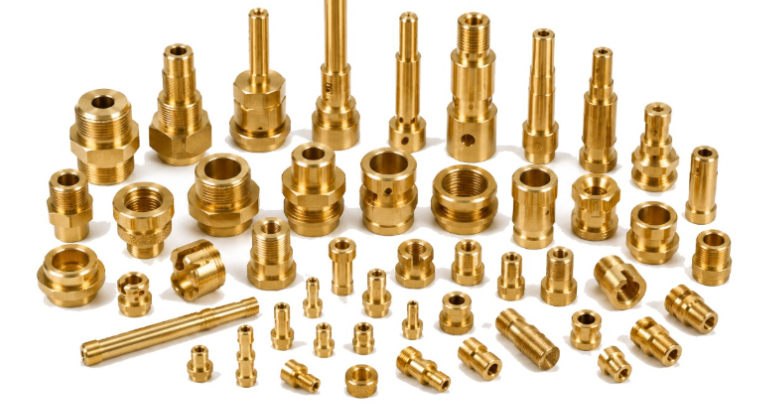
Every electrical system depends on its tiniest parts far more than most people realize. One faulty component can throw everything off, disrupting operation and costing time and money. That’s why whether you’re putting together control panels, building switchgear assemblies, or managing complex industrial connections, you need metal parts that don’t just fit—they perform consistently, day in and day out.
That’s where JV Enterprise steps in. The company specializes in precision-engineered brass components, taking on projects that demand more than generic, off-the-shelf parts. They’re not just manufacturing—they’re customizing solutions to address the unique needs of industrial clients. Their workshop runs on advanced machining technology, which means every part they produce meets strict dimensional standards. The team keeps an eagle eye on the details, because accuracy isn’t negotiable—it’s essential for top-notch performance.
But JV Enterprise doesn’t stop at producing components. They focus on providing practical engineering answers. Customers working under tight deadlines or demanding conditions lean on JV’s ability to deliver reliably, without the headaches of inconsistent quality. The end goal? To make sure every part isn’t just meeting specs, but actually helping customers build systems that stand up to real-world challenges, again and again.
Why Brass Is a Preferred Material for Electrical Components
Electrical conductivity :–
Brass plays a big role in electrical engineering, and it’s easy to see why. For starters, it does a great job conducting electricity, which is essential if you’re designing anything from connectors to terminals. But there’s more to it than just moving current from point A to point B.
machinability :-
One key reason engineers keep coming back to brass is its machinability. You can shape, drill, cut, and thread it with impressive precision—and it doesn’t chew up tools the way some harder metals do. That level of workability is a game-changer when you need small, complex, or highly detailed parts. Think of all the tiny components packed inside a circuit breaker or a relay. Brass makes that kind of engineering look easy.
Corrosion resistance :-
Corrosion resistance is another win for brass. Electrical assemblies need to last, often in environments where moisture or harsh chemicals could cause trouble. With the right brass grade and the right finish, parts stay in top shape, even in tough settings—reducing maintenance headaches down the road.
Dimensional accuracy :-
Dimensional accuracy is something people tend to overlook, but with brass, it’s almost a given. You can trust that each batch of parts will fit perfectly, snap into place, and keep the assembly working smoothly. That’s crucial in electrical assemblies, where there’s little room for error.
manufacturing flexibility :-
Another advantage is manufacturing flexibility. Brass doesn’t lock you into one design. Need something standard or fully custom? Brass can handle both, which means you don’t have to compromise on the details that matter most for the application Of course, picking the right brass grade, size, and surface finish isn’t optional—it’s a must. The wrong choice in any of those areas can undo all the benefits, so smart engineers always match the material to the demands of the electrical job. When that’s done right, brass components deliver reliable performance and make manufacturing just a little bit easier.
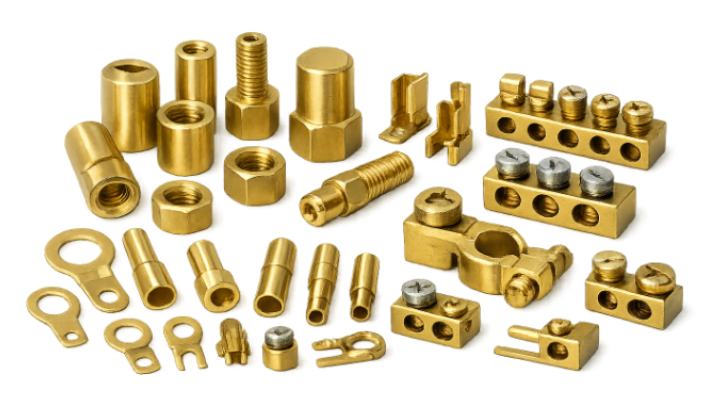
What Makes a Precision Brass Electrical Component Reliable?
Picking the right electrical component isn’t just about grabbing the best material and calling it a day. There’s a lot more at play, especially once you dive into the manufacturing details—those are what really make or break the piece for its final use.
First, you need to nail down the material. It’s not enough to say “use brass” and move on. You want the exact brass grade that lines up with what the part needs electrically, mechanically, and for the environment it’ll live in. Cheap out here, and you risk breakdowns or failures later.
Dimensional consistency matters just as much. Precise machining isn’t just a bonus—it’s the reason parts actually fit together as designed. If your dimensions drift, you end up with assemblies that jam, wobble, or straight-up won’t work.
Then there’s thread quality. Threads might seem nitpicky, but for electrical fittings and connectors, getting both the dimensions and the profile right means everything slots together securely. Mess up here, and you’ve introduced points of failure that are hard to fix once installed.
Don’t overlook the surface finish, either. The right finish isn’t only about how the part looks; it can beef up corrosion resistance, enhance contact performance, or just help the piece last longer in tricky environments. Sometimes, a tiny design tweak in the finish pays huge dividends.
Quality inspection wraps it all up. Checking dimensions, finish, and the critical traits keeps you honest—this catches mistakes before parts head out the door. If you’re making batches for repeat orders or big runs, this becomes even more crucial; one miss in quality and you might spend double fixing every item.
In short, manufacturing details matter a lot. If you’re serious about quality and efficiency, get all of these steps right, especially if your reputation depends on consistent performance and reliability.
How to Choose the Right Brass Electrical Components Manufacturer
Picking the right electrical component isn’t just about grabbing the best material and calling it a day. There’s a lot more at play, especially once you dive into the manufacturing details—those are what really make or break the piece for its final use.
First, you need to nail down the material. It’s not enough to say “use brass” and move on. You want the exact brass grade that lines up with what the part needs electrically, mechanically, and for the environment it’ll live in. Cheap out here, and you risk breakdowns or failures later.
Dimensional consistency matters just as much. Precise machining isn’t just a bonus—it’s the reason parts actually fit together as designed. If your dimensions drift, you end up with assemblies that jam, wobble, or straight-up won’t work.
Then there’s thread quality. Threads might seem nitpicky, but for electrical fittings and connectors, getting both the dimensions and the profile right means everything slots together securely. Mess up here, and you’ve introduced points of failure that are hard to fix once installed.
Don’t overlook the surface finish, either. The right finish isn’t only about how the part looks; it can beef up corrosion resistance, enhance contact performance, or just help the piece last longer in tricky environments. Sometimes, a tiny design tweak in the finish pays huge dividends.
Quality inspection wraps it all up. Checking dimensions, finish, and the critical traits keeps you honest—this catches mistakes before parts head out the door. If you’re making batches for repeat orders or big runs, this becomes even more crucial; one miss in quality and you might spend double fixing every item.
In short, manufacturing details matter a lot. If you’re serious about quality and efficiency, get all of these steps right, especially if your reputation depends on consistent performance and reliability.
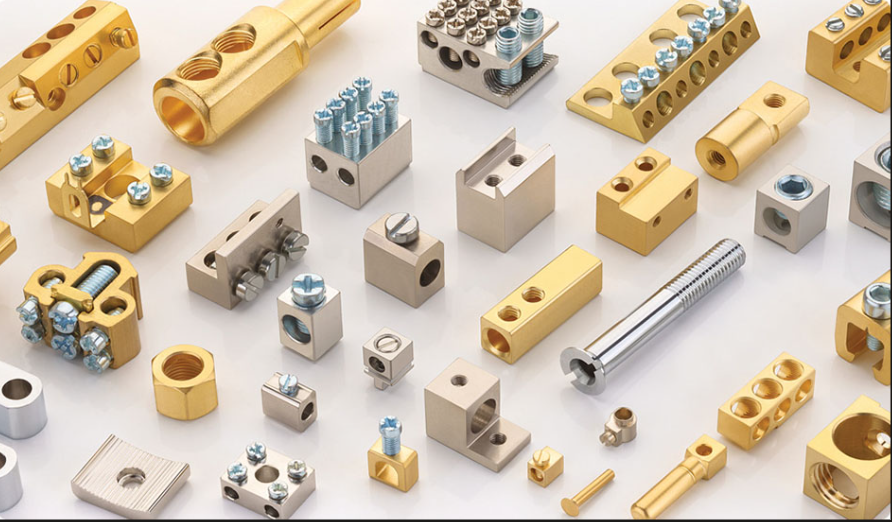
Why Consider JV Enterprise for Brass Electrical Components?
JV Enterprise calls Jamnagar, Gujarat home, and they’re all about precision brass manufacturing. It’s more than just making parts—they specialize in custom-built components, going deep with CNC and automatic machining to hit those exact specifications clients demand.
If you need brass electrical components, you’re not just placing an order. You’re invited to talk through everything with their team. People sit down and discuss how the part will be used, what materials are needed, exact dimensions, and, of course, how many you want. This hands-on approach helps clear up any confusion before they even start production.
Getting everyone on the same page isn’t just a nice-to-have; it’s essential. JV Enterprise wants to know exactly what the customer wants so their production process fits the design and quality standards the client expects. No guesswork.
And, if you’re sourcing custom brass components, don’t hold back on the technical details. The more precise you are, the smoother it goes. This upfront sharing lays the groundwork—if they know all the specs early, they can move quickly to check what’s possible, estimate timelines, and deliver results that actually match your expectations. It’s that foundation of clear communication that keeps projects running on time and up to spec.