
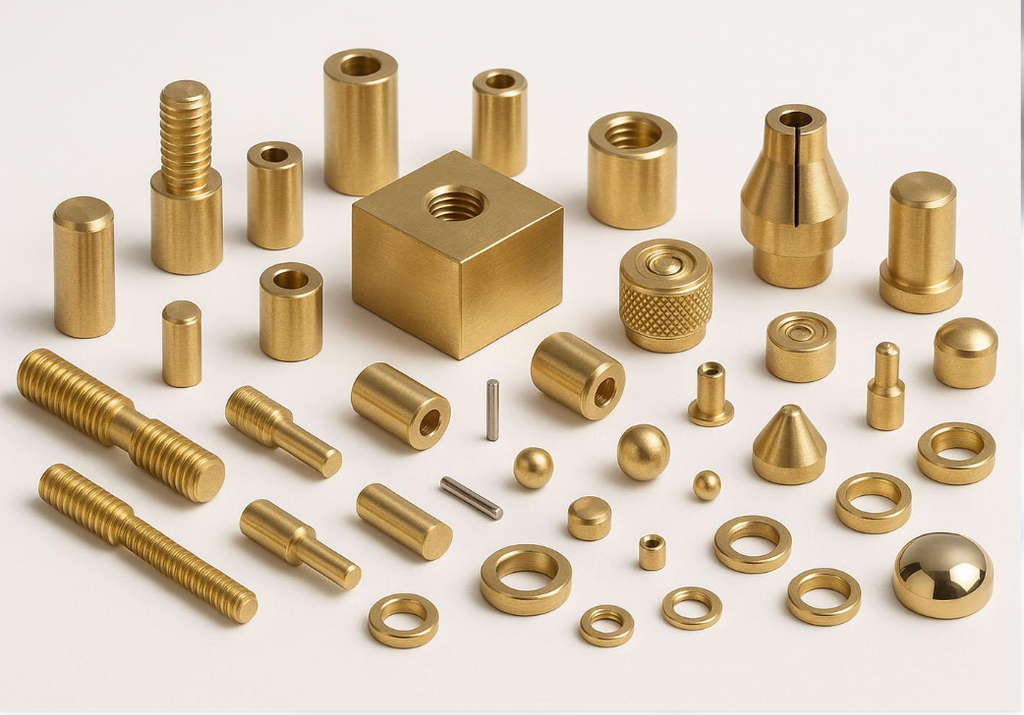
Precision-Engineered Brass Parts for Superior Industrial Performance
Brass CNC turned components form the backbone of countless industries today. Precision really matters here—these parts need to fit perfectly every time, deliver consistent quality, and never let anyone down when performance is on the line. Every piece comes to life through Computer Numerical Control (CNC) machining, a technology that takes raw brass and sculpts it into shapes that match exact engineering demands. You see them everywhere: inside electrical circuits, under the hoods of cars, built into electronics, plumbing systems, and scattered across industrial operations. The level of accuracy and repeatability CNC machining offers isn’t just a luxury—it’s what keeps these industries running smoothly and safely.
JV Enterprise sits at the heart of this production scene, out of Jamnagar, Gujarat, India. The company has carved out its reputation by focusing on brass components, delivering products that don’t just meet technical specifications—they fit the real needs of their diverse clients. By prioritizing precision machining and tailoring parts for individual applications, JV Enterprise has become a go-to supplier for many businesses. Whether it’s a custom batch for a new electronics device or robust fittings for industrial machinery, they make sure their brass components bring reliability and quality to every job. Their commitment to craftsmanship and understanding of practical industry challenges means they aren’t just producing parts—they’re helping clients solve real problems, powering the gears of modern manufacturing forward.
Brass CNC Turned Components
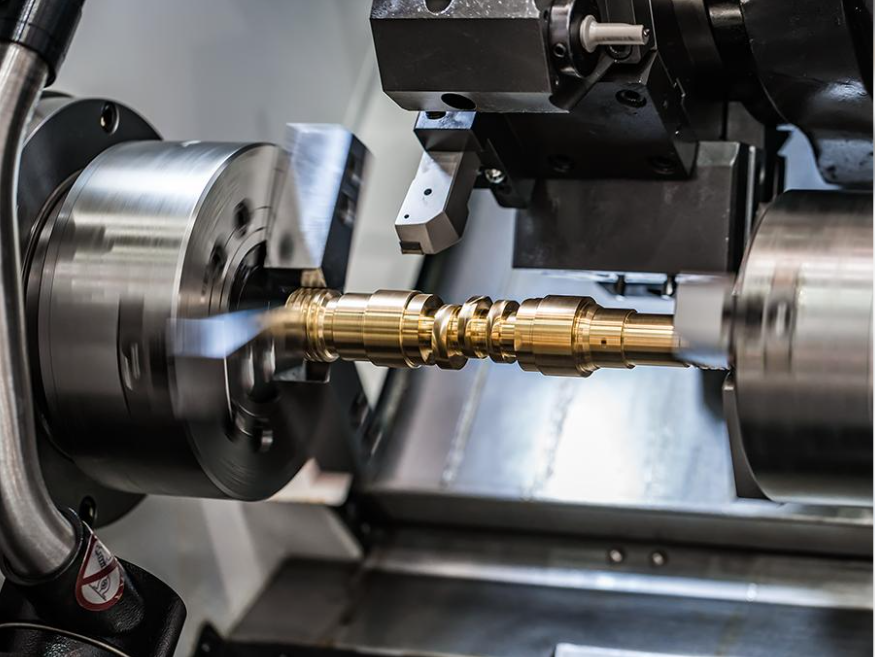
Brass CNC turned components aren’t just simple machine parts—they’re the result of a tightly controlled, technical process. Picture a piece of brass spinning at high speed while computer-guided tools carve it into shape. Every movement, every cut, follows a digital blueprint. That’s what CNC (Computer Numerical Control) technology does: it takes raw brass and, using precise instructions, transforms it into parts with exact dimensions and complex features.
Engineers and machinists love the versatility that comes with this CNC turning process. You can get all sorts of intricate details—threaded sections for assembly, grooves to fit seals, stepped diameters for fitting different pieces, holes that handle wires or fluids, and shoulders that lock components in place. The list goes on, limited only by the imagination of the designer and the constraints of the machinery.
Brass is a favorite for these parts for good reason. It machines easily, so manufacturers can work quickly and keep costs in check. Its corrosion resistance means it lasts longer and doesn’t tarnish easily, which is essential for components used in plumbing, electronics, or automotive. Add its reliable conductivity, and you have material that suits both electrical and mechanical applications.
Types of Brass CNC Turned Components
1. Brass Precision Pins
Brass precision pins are manufactured in specified diameters and lengths for positioning, electrical connections, and mechanical assemblies. Accurate dimensions help ensure proper fit within compatible components.
2. Brass Threaded Components
These components feature internal or external threads for secure assembly and connection. They are used in electrical equipment, industrial machinery, fittings, and specialized fastening applications.
3. Brass Connectors and Terminals
CNC-turned brass connectors and terminals are used in suitable electrical and electronic assemblies. Their geometry and surface finish can be tailored to meet connection and installation requirements.
4. Brass Bushes and Spacers
Brass bushes and spacers are used to maintain spacing, support assemblies, or provide a suitable interface between components. Their dimensions are selected according to the equipment design and operating conditions.
5. Brass Inserts
Brass inserts are designed to provide threaded or reinforced connection points in compatible materials and assemblies. They are commonly used in selected plastic components, electrical products, and industrial equipment.
6. Custom CNC Turned Brass Parts
Custom brass components can be manufactured according to technical drawings, samples, dimensions, and thread specifications. These parts are useful when standard components do not meet a product’s design requirements.
Key Benefits of Brass CNC Turned Components
High Dimensional Accuracy
CNC machining brings a level of precision that’s tough to match by other methods. With digital programming at its core, every dimension on a component gets controlled down to incredibly tight tolerances. Manufacturers rely on a mix of software-guided instructions and rigorous inspection routines—sometimes with advanced metrology tools—to ensure each piece meets exact specs. This lets engineers confidently design parts knowing the process backs them up, even when the job calls for the smallest or most intricate features.
Excellent Machinability
Brass has long been a favorite material because it machines beautifully. The alloy’s properties work perfectly for a wide spectrum of turning tasks. Operators can create highly complex shapes—sharp features, tight radii, or delicate contours—without excessive tool wear or unpredictable finishes. That efficiency isn’t just about speed; it also means production lines consistently put out parts with reliable dimensions and surface quality. So, whether it’s prototyping or high-volume runs, brass helps keep the process smooth.
Consistent Production Quality
Getting the same results batch after batch is one of the true advantages of modern CNC turning. Adjusting machine settings, picking the right cutting tools, monitoring processes, and running frequent quality checks form the backbone of stable production. Manufacturers don’t just cross their fingers; they use statistical tracking and tailored feedback loops to minimize defects, so customers receive parts with the same mechanical properties and appearance each time. That’s especially vital for industries with tight regulatory standards.
Corrosion Resistance
Brass comes in numerous alloys, many of which hold up well against corrosion. This makes the metal a natural pick for industrial setups where the environment is less than forgiving—think plumbing, marine hardware, or even decorative fittings exposed to moisture and atmospheric change. Manufacturers can tweak alloy selection for different conditions and applications, boosting reliability and service life. In scenarios where rust or deterioration would spell disaster, brass keeps things intact.
Electrical Conductivity
When electrical performance matters, brass stands out. Its ability to carry current makes it the go-to material for components such as connectors, terminals, contact pins, and circuit assemblies. Engineers appreciate how brass balances conductivity with mechanical strength, so you don’t have to compromise between electrical performance and ruggedness. This has made the material a mainstay in automotive, telecom, and consumer electronics, where consistent signal transfer is critical.
Flexible Design Options
CNC turning unlocks a huge range of design possibilities. The technology isn’t limited to basic cylinders—it easily handles custom diameters, unusual thread profiles, patterned grooves, different lengths, and complex geometries. Designers enjoy freedom to innovate, pushing boundaries when industry demands special features or when products call for functionality and aesthetics in one package. The ability to tailor parts so closely to application needs is a big reason CNC turning gets chosen, again and again, by companies looking to stay ahead.
Applications of Brass CNC Turned Components
Precision brass turned parts show up all over: electrical, automotive, electronics, plumbing, telecommunications, industrial machinery, and in consumer products too. You’ll find them as connectors, terminals, and contact components in electrical systems—they pop up in switchgear as well. In cars, they handle vehicle electrical connections, act as precision fittings, and form part of specialized assemblies. Electronics rely on these parts for connector bodies, threaded sections, spacers, and various instrument components.
Plumbing uses them for precision fittings and fluid-handling connections. Communications gear depends on selected connectors and hardware shaped from brass. Industrial machinery makes good use of bushes, pins, spacers, and custom parts machined to fit. Even household appliances and smaller equipment need these precision brass pieces.
It’s crucial to choose the right material grade, tolerances, and design, always matched to the environment and demands of the specific application.
How to Choose the Right Brass CNC Turned Components Manufacturer
machining capability : Not every supplier is equipped to handle intricate shapes or tight curves. You need to know if their equipment and expertise match the complexity of your component. Don’t settle for vague assurances — insist on clear examples of similar parts they’ve produced.
Material matters : Brass comes in a range of grades, each suited to different jobs — some are more corrosion-resistant, others better for conductivity. Figure out exactly which grade it needs to be, and make sure your manufacturer can source and work with the right one.
Tolerance requirements : now that’s the heart of precision. Be exact about the numbers. Tell them precisely how tight those measurements need to be, which dimensions are most critical, and where you can’t budge even a fraction of a millimeter.
Customization : is a big deal. Sometimes you’ll need special designs, unusual features, or tweaks that aren’t standard. Ask if they can adapt to your technical drawings, prototype samples, or unique requests. If they shrug off questions about custom work, that’s a red flag.
quality inspection procedures : You want to know how they measure parts — what tools are they using? How often do they run batch checks? Consistency and accuracy aren’t just words; they’re proven by reliable inspection protocols and transparent reporting.
Production requirements : go beyond just numbers. Discuss your expected order quantities in detail, talk about packaging that keeps everything safe, plan for possible repeat orders. And pin them down on delivery timelines. Can they hit your deadlines, every time?
Why Choose JV Enterprise for Brass CNC Turned Components?
JV Enterprise, located in Jamnagar, Gujarat, India, operates in the brass components industry, with a focus on precision-engineered products and industrial requirements.
When enquiring about brass CNC turned components, buyers can share their drawings, material preferences, required dimensions, tolerances, and estimated quantities to discuss suitable manufacturing options.
Contact JV Enterprise to enquire about precision brass CNC turned components for your next industrial application.