
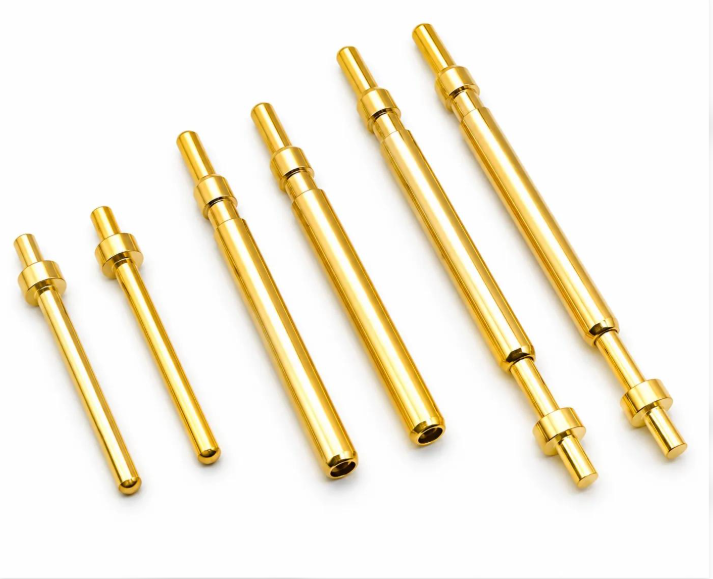
Look, a lot of folks think an electric car is just about the battery and motor, but honestly, that’s barely scratching the surface. The guts of these things—the connectors, tiny contacts, all the fiddly little parts milled with freakish precision—they’re the unsung heroes, making sure juice actually flows where it should.
Those brass EV pins? Yeah, they’re not just shoved into random connectors. Engineers use them in designs that need super-tight tolerances, solid electrical performance, and that “click” you feel when something fits just right. The trick is, their effectiveness comes down to way more than just the material. It’s about the exact brass alloy, the shape, how the contacts are built, and how all that works inside the system as a whole.
Take JV Enterprise in Jamnagar, Gujarat—they’re kind of a big deal in the brass parts game. If you’re hunting for a reliable source of brass pins, you can’t just wing it. You need detailed drawings and specs, otherwise, you’ll never know if your manufacturer’s solution is actually gonna work. Without that, good luck getting those consistent results, especially in something as picky as an EV.
What Are Advanced Brass EV Electrical Pins?
Brass EV electrical pins—basically, those little metal bits you find inside connectors for electric cars. They might act as contact points, terminals, or just general connectors, depending on what the system needs. Some have smooth round bodies, others are stepped or threaded—whatever makes them fit.
And by the way, not every EV connector needs brass pins. The material choice totally depends on stuff like how much current’s running through, how hot things get, if there’s any risk of corrosion, and what safety rules you need to follow. It’s not just one-size-fits-all. The pins have to match the connector’s design and the whole vibe of the assembly—down to the surface finish and measurements. So yeah, a lot more thought goes into these than you might guess from just looking at them.
Why Brass Is Used in Electrical Pin Manufacturing
Brass is a copper-zinc alloy that offers a useful combination of machinability, strength and electrical conductivity for many component designs. The suitability of a specific brass grade must be evaluated against the application’s electrical and mechanical requirements.
1. Efficient Precision Machining
Many brass grades can be turned and machined into detailed shapes, making them suitable for producing pins with defined diameters, lengths, shoulders and other geometric features.
2. Electrical Conductivity
Brass conducts electricity, although its conductivity is generally lower than that of pure copper. The appropriate material depends on the required current capacity, permissible resistance and thermal performance of the finished connector.
3. Mechanical Strength
Brass offers useful mechanical properties for a variety of connector and terminal designs. The selected alloy and component geometry should provide the required strength and resistance to deformation.
4. Corrosion Resistance
Suitable brass grades can offer resistance to corrosion in many environments. However, exposure conditions and contact requirements may call for additional surface protection or a different material.
5. Design Flexibility
Brass pins can be manufactured in different dimensions and profiles. This flexibility can help component manufacturers meet the requirements of specific connector designs and electrical assemblies.
Common Types of Brass EV Electrical Pins
Electrical pins are designed according to the connector system and its functional requirements. The following are general component configurations, not a guarantee that every design is available from every manufacturer.
1. Cylindrical Brass Contact Pins
Cylindrical pins feature a round profile and defined contact dimensions. They may be used in suitable electrical connectors where the design requires a machined conductive contact.
Diameter, length, alignment and surface finish are important factors when specifying this type of pin.
2. Precision-Turned Brass Pins
Precision-turned pins are manufactured through turning operations to achieve the specified profile and dimensions. They may incorporate grooves, shoulders, reduced sections or other features required by an assembly.
Dimensional tolerances should be agreed upon before production.
3. Brass Terminal Pins
Terminal pins provide connection points within compatible electrical equipment and assemblies. Their shape and mounting arrangement depend on the design of the terminal block, connector or electrical device.
The material and geometry must be suitable for the intended electrical load and operating conditions.
4. Custom Brass Connector Pins
Custom connector pins are produced to application-specific drawings or approved samples. Requirements may include special lengths, diameters, threads, grooves or other machined features.
For EV-related applications, the complete specification should also define electrical, thermal, mechanical and environmental performance requirements.
Where EV Electrical Pins Are Used
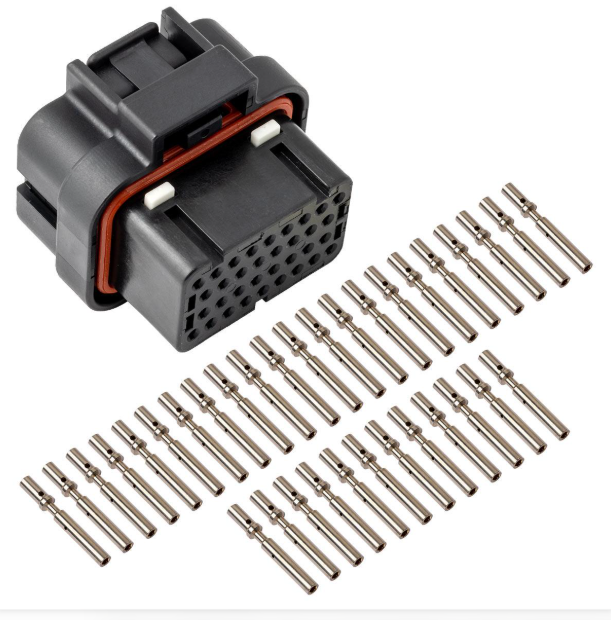
Brass pins in electrical stuff? Yeah, they actually work for some parts in the electric mobility world—but it’s not a one-size-fits-all kind of deal. Whether they’ll cut it depends on how the connector’s made and if they pass all the nerdy engineering tests.
For EV connectors, brass pins can totally do the job as the main conductive bits…if, and only if, they can handle the voltage and heat. Honestly, you can’t just drop them in without checking if they’ll survive the ride.
When it comes to charging equipment, you might find brass in some support roles or low-voltage assemblies—think minor supporting characters, not the main hero. The big deal high-current contacts, though? Those need special attention and usually get made from materials that can handle a lot more stress, or at least get a fancy finish for durability’s sake.
On the battery side, designers sometimes use brass for certain terminals or connectors, but only when the setup allows it. These connections have to put up with a ton—insane current, heat, you name it—so the rules are strict.
For stuff like control units and auxiliary gear, tiny brass pins or terminals might pop up here and there where it makes sense and doesn’t break anything (literally or figuratively).
And don’t forget, brass pins aren’t just for EVs—any automotive electrical part might use them if they fit and do the trick.
Bottom line: Don’t just assume brass works everywhere. The person designing the connector or equipment has to sign off on what gets used, end of story.
How Precision Brass EV Pins Are Manufactured
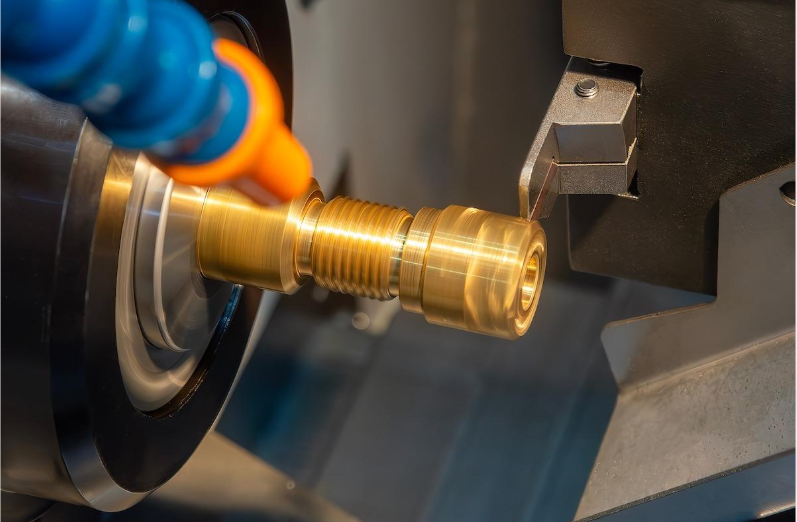
A consistent manufacturing process helps ensure that electrical pins meet their specified dimensions and assembly requirements.
Step 1: Technical Drawing Review
The component drawing is reviewed for dimensions, tolerances, material grade, threading, surface finish and any special functional requirements.
Step 2: Material Selection
The brass grade is selected according to the approved specification. Electrical conductivity, mechanical properties and environmental conditions should be considered before production.
Step 3: Precision Turning
Suitable machining equipment is used to create the required diameter, length and component profile. Additional drilling, threading or other operations may be necessary.
Step 4: Deburring and Surface Finishing
Machined edges and surfaces are finished according to the drawing. If plating or another coating is required, the specification should define the finish and its performance requirements.
Step 5: Dimensional and Quality Inspection
Critical dimensions and surface conditions are inspected against the approved requirements. Depending on the intended use, additional electrical, mechanical or coating tests may be required.
Step 6: Packing and Dispatch
Accepted components are packed to protect their surfaces and dimensions during handling and transportation. Identification and traceability requirements should be agreed upon with the buyer.
Brass EV Electrical Pins Manufacturing at JV Enterprise
JV Enterprise is based in Jamnagar, Gujarat, India, a recognised centre for brass component manufacturing. Businesses evaluating brass EV electrical pins can begin by sharing their component drawings, material requirements and estimated order quantities.
A clear enquiry should include the pin dimensions, specified alloy, required surface finish, dimensional tolerances and intended application. Where the component is designed for EV electrical equipment, the buyer should also provide the applicable performance requirements and relevant testing criteria.
These details help establish whether the component is suitable for the manufacturer’s available processes and capabilities. Product-specific manufacturing, finishing, testing and certification arrangements should be confirmed directly with JV Enterprise before an order is placed.