
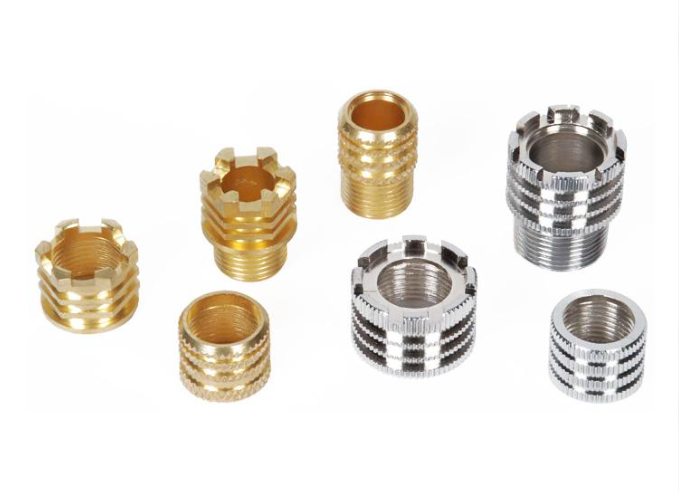
High-Quality Brass PPR & CPVC Inserts :- Today’s plumbing systems can’t function reliably without fittings that lock everything together, thread precisely, and hold up under pressure (literally). That’s where brass inserts come in—they create a solid metal interface inside PPR and CPVC fittings, so you get strong, leak-proof threaded connections and a tough spot to attach equipment.
These brass inserts come in all kinds of shapes, sizes, and threading options to fit whatever plastic pipe fitting you’re working with. You have to think about details like what material the fitting’s made of, how you’re installing it, what kind of pressure and temperature the system will handle, and what the finished plumbing’s going to do.
JV Enterprise, up in Jamnagar, Gujarat, is right in the heart of India’s brass manufacturing industry. If you’re a manufacturer looking to buy brass inserts, you can’t just grab anything off the shelf—you need to nail the dimensions, pick the right brass grade, and match the thread specs to your application. That’s how you end up with fittings that don’t just work, but last.
High-Quality Brass PPR & CPVC Inserts?
High-Quality Brass PPR & CPVC Inserts are metal parts built into plastic plumbing fittings. They usually give you a threaded connection—inside or outside—so you can screw on a pipe, valve, tap, or similar piece.
The brass part handles the tough job of making a solid metal connection. The plastic surrounding it makes up the rest of the fitting, giving you the right shape and structure. Each finished fitting has to be designed and tested to handle specific pressure, temperature, and usage demands.
Now, even though both PPR and CPVC fittings sometimes use brass inserts, you can’t just swap them around. Each insert’s size, locking features, and installation process have to match the fitting it goes with. Otherwise, it just won’t work right.
Understanding PPR and CPVC Fittings
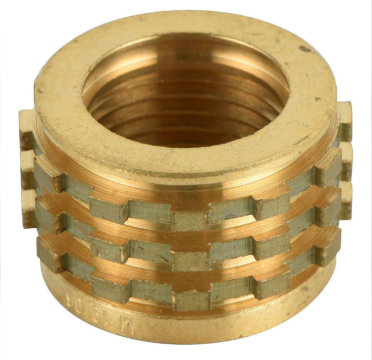
1. PPR Pipe Fittings
Polypropylene random copolymer, usually called PPR, forms the backbone of many modern hot- and cold-water piping systems. It’s prized for its strength, reliability, and resistance to corrosion, which makes it a go-to option for both residential and commercial plumbing. When it comes to installation, PPR fittings are joined to their matching pipes using heat fusion—a process that doesn’t simply glue or screw components together, but actually melts the surfaces and bonds them at a molecular level. This technique creates a seamless, leakproof connection that holds up under pressure and temperature changes.
But piping systems often need to interface with metal parts or threaded connections—think faucets, valves, or other plumbing accessories. That’s where the brass insert comes in. By embedding a brass insert inside the PPR fitting, you get a sturdy metal interface that lets you connect other threaded accessories without compromising the plastic’s integrity. The geometry and placement of the insert are crucial. If the insert isn’t designed correctly or doesn’t fit the surrounding polymer, it risks weakening the whole system or even causing leaks as temperatures fluctuate or pressure spikes.
2. CPVC Pipe Fittings
Chlorinated polyvinyl chloride, or CPVC, takes a similar role in piping systems, though the chemistry is different. CPVC pipes have excellent chemical resistance and can handle higher temperatures compared to standard PVC, making them suitable for both hot and cold water applications. But, as always, contractors must pay attention to the product’s rating and stick to specific installation standards to ensure a safe system.
Just like with PPR, CPVC fittings occasionally require brass inserts for threaded connections. These inserts create solid junction points for metal accessories, but there’s a catch: The insert must be perfectly matched to the fitting’s design. A poorly integrated insert could disrupt the connection’s integrity, leading to leaks or mechanical failures down the line—especially when subjected to repeated temperature cycling or water hammer.
Both PPR and CPVC offer unique material properties, and each demands its own joining strategy. Their different chemistries mean their fittings, insert designs, and assembly practices must be tailored to the material, never treated as interchangeable. For designers and plumbers, it’s vital to evaluate each system separately, considering not just compatibility, but long-term durability and safety under real-world operating conditions. The right choice in fitting design and insert specification can make all the difference between a trouble-free system and costly repairs.
Manufacturing Process for Brass PPR & CPVC Inserts
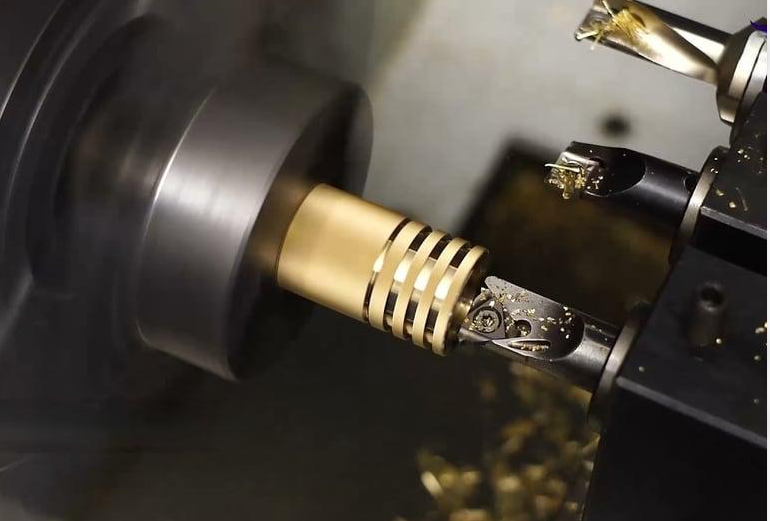
Consistent insert manufacturing starts with a clear technical specification and continues through machining and inspection.
Step 1: Drawing and Specification Review
The component drawing is reviewed for dimensions, thread details, tolerances, brass grade and surface finish. The insert’s intended fitting and installation method should also be identified.
Step 2: Brass Material Preparation
Suitable brass stock is selected according to the approved material specification. Any special requirements concerning chemical composition or material documentation should be agreed upon before production.
Step 3: Precision Turning
Turning operations establish the external profile, diameter and length of the insert. Additional operations may be needed to create shoulders, grooves and retention features.
Step 4: Threading and Secondary Machining
Internal or external threads are machined according to the specified thread standard. Knurling, drilling or other operations may be performed where required by the design.
Step 5: Dimensional Inspection
Critical measurements, thread dimensions, surface condition and other specified characteristics are checked against the drawing. Inspection criteria should reflect the insert’s intended function.
Step 6: Finishing and Packing
Components are finished according to the agreed specification and packed to protect their threads and surfaces during handling and transportation.
The complete plastic fitting, including its insert, should undergo the relevant validation and testing required for its intended service.
Important Factors When Choosing Brass PPR & CPVC Inserts
Choosing the right insert requires more than matching a thread size. Buyers and fitting manufacturers should consider the following factors.
- Fitting material: Confirm whether the insert is intended for a PPR or CPVC fitting design.
- Thread specification: Define the thread standard, diameter, pitch and engagement length.
- Insert dimensions: Specify the outer diameter, internal diameter, length and other critical measurements.
- Retention design: Identify whether the fitting requires knurling, grooves, shoulders or another retention feature.
- Brass grade: Select material according to the application’s mechanical, corrosion and regulatory requirements.
- Operating conditions: Confirm the required pressure and temperature ratings of the complete fitting.
- Quality inspection: Establish dimensional tolerances, acceptance criteria and any required documentation.
- Order quantity: Discuss samples, production batches and repeat-order requirements with the manufacturer.
Correct insert selection helps fitting manufacturers develop connections that meet their intended performance requirements.
Applications of Brass PPR & CPVC Inserts
Brass inserts are used in various compatible plumbing products, depending on the fitting design and application.
Threaded Pipe Fittings: Inserts can provide metal threads in plastic fittings that connect to compatible threaded components.
Taps and Valves: Certain fitting designs incorporate brass inserts to create connection points for taps, valves and related plumbing accessories.
Water Supply Assemblies: Inserts may be used in compatible hot- and cold-water fitting designs, provided the complete assembly meets its required ratings and standards.
Plumbing Adapters: Brass inserts can support threaded interfaces in adapters that connect compatible components.
Custom Plumbing Fittings: Specially designed inserts may be manufactured for fitting producers who require non-standard dimensions or retention features.
Every application should be assessed for compatibility with the conveyed fluid, pressure, temperature and relevant regulatory requirements.
Brass PPR & CPVC Inserts Manufacturer – JV Enterprise
JV Enterprise is based in Jamnagar, Gujarat, India, a recognised centre for brass component manufacturing. Businesses seeking brass inserts for plumbing fittings can begin their enquiry by sharing the component drawing, material requirements and estimated order quantity.
For a clear manufacturing assessment, specify whether the insert is intended for a PPR or CPVC fitting, along with its thread type, dimensions, brass grade and required external retention features.
Any special requirements concerning surface finishing, material documentation, quality inspection or packaging should also be included in the enquiry. Product-specific capabilities and compliance arrangements must be confirmed directly with JV Enterprise before an order is finalised.
A well-defined technical specification helps both the fitting manufacturer and the component supplier understand the requirements before production begins.