...... JV ENTRPRISE ......

Category: Brass Components

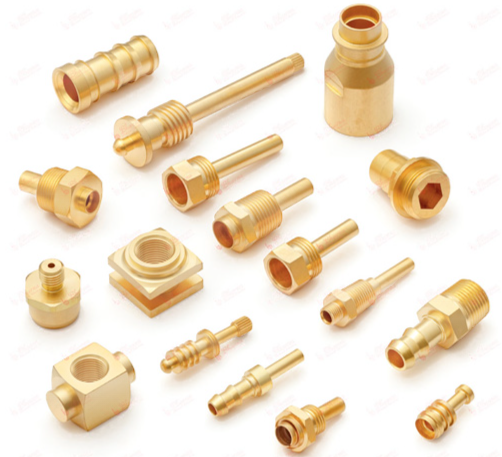
  • Reliable Brass CNG & PNG Gas Parts Manufacturer in India – JV Enterprise

    Reliable Brass CNG & PNG Gas Parts Manufacturer in India – JV Enterprise

    When it comes to gas supply systems, even a small component needs to be manufactured with care. A fitting that does not match the required dimensions or a connection that fails to meet the necessary specifications can affect the safety and performance of the entire assembly. This is why the quality of brass CNG and PNG gas parts matters.

    Brass is commonly used for selected gas-system components because it offers good machinability, corrosion resistance, and useful mechanical properties. It can be manufactured into different shapes and sizes to suit specific connection requirements.

    Based in Jamnagar, Gujarat, JV Enterprise works with brass components and precision-machined parts for industrial applications. For buyers looking for customised brass gas components, the right material, accurate dimensions, and application-specific specifications are essential starting points.

    CNG stands for Compressed Natural Gas, while PNG stands for Piped Natural Gas. Both are used as fuel sources, but their storage, distribution, and operating arrangements can differ.

    Brass components are used in certain gas assemblies to provide connection, fastening, control, or fitting functions. Depending on the design, these parts may be incorporated into gas connectors, regulator assemblies, valves, and other gas-related equipment.

    The design of each component depends on where it will be installed, the gas pressure involved, the connection type, and the applicable safety requirements. Not every brass fitting is suitable for every gas application, so material and product specifications must be checked before use.

    Different Types of Brass CNG and PNG Gas Fittings

    1. Brass Gas Connectors

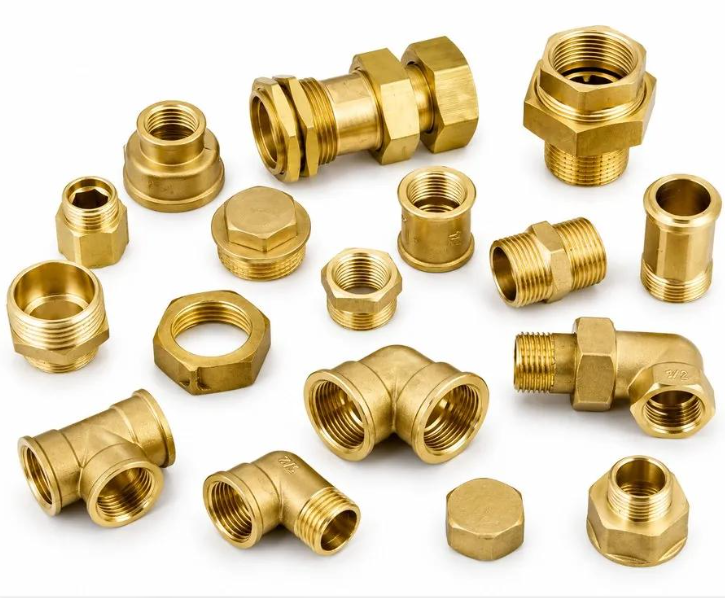
    Brass gas connectors are designed to join compatible parts within a gas assembly. Their dimensions, thread profiles, and connection design must match the intended equipment to support a suitable fit.

    2. Brass Gas Fittings

    These fittings connect sections of compatible gas equipment or piping systems. Depending on the application, they may be manufactured in different shapes, sizes, and thread configurations.

    3. Brass Valve Components

    Selected gas valve assemblies use brass parts for connection, mounting, or other mechanical functions. The component’s design and material must meet the operating pressure, temperature, and relevant gas-system standards.

    4. Brass Regulator Components

    Gas regulator assemblies may contain brass components used for specific connection or mechanical functions. Their dimensions and material properties must be appropriate for the regulator design and intended service conditions.

    5. Custom-Machined Brass Gas Parts

    Some equipment manufacturers require components that are not available in standard sizes. These parts can be produced to customer drawings, approved samples, thread specifications, and dimensional requirements.

    For custom manufacturing, it is important to identify the intended gas, operating conditions, and applicable product standards before finalising the component design.

    Depending on their design and certification, brass components may be used in various gas-related applications, such as:

    • CNG equipment and compatible connection assemblies
    • PNG distribution equipment
    • Gas regulator assemblies
    • Gas valve and connector assemblies
    • Industrial gas equipment
    • Approved gas fittings and related accessories

    The suitability of any component depends on its intended use and compliance with the applicable technical and safety requirements.

    Finding a manufacturer is not just about comparing prices. For gas-related components, buyers also need to consider technical compatibility and manufacturing consistency.

    Here are five things worth checking before placing an order.

    1. Material grade

    Ask which brass alloy is being used and whether it is suitable for the intended gas-service conditions.

    2. Dimensional requirements

    Share accurate drawings, measurements, thread details, and tolerances. Small differences can affect how a component fits into an assembly.

    3. Pressure and application requirements

    Make sure the component is designed for the intended operating conditions and meets the relevant requirements for the specific gas application.

    4. Quality checks

    Discuss dimensional inspection, material verification, traceability, and any testing or certification required for the finished component.

    5. Custom manufacturing support

    If you need a non-standard design, check whether the manufacturer can work from technical drawings or approved samples and maintain consistency across production batches.

    For CNG and PNG applications, always use components that are suitable for the intended service and meet the required safety standards. General-purpose brass fittings should not be assumed to be safe for gas service.

    Jamnagar has a well-established brass manufacturing industry, supplying components for a wide range of industrial applications. JV Enterprise is based in this manufacturing centre and focuses on brass products and precision-machined components.

    For businesses sourcing brass CNG and PNG gas parts, clear communication about the intended application is important. Sharing the required dimensions, brass grade, thread specifications, quantity, and applicable standards helps establish whether a component can be manufactured to the required specification.

    JV Enterprise can be contacted to discuss brass component requirements and customised manufacturing enquiries. Buyers should confirm gas-service suitability, product approvals, and any necessary testing before selecting components for installation in gas systems.

    Standard fittings may work well for many applications, but some equipment designs require specific dimensions or connection details. Custom-machined brass components offer a way to meet these requirements when the design and material are appropriate for the intended use.

    Before requesting a quotation, prepare the technical drawing or sample, required quantity, material specification, thread details, and application information. Providing these details at the beginning can make discussions about manufacturing feasibility and product requirements much more straightforward.
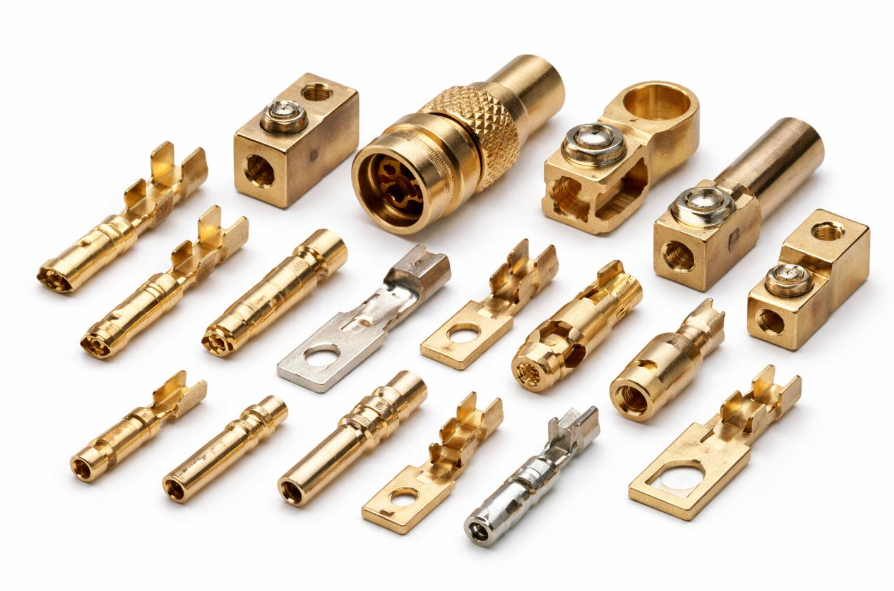
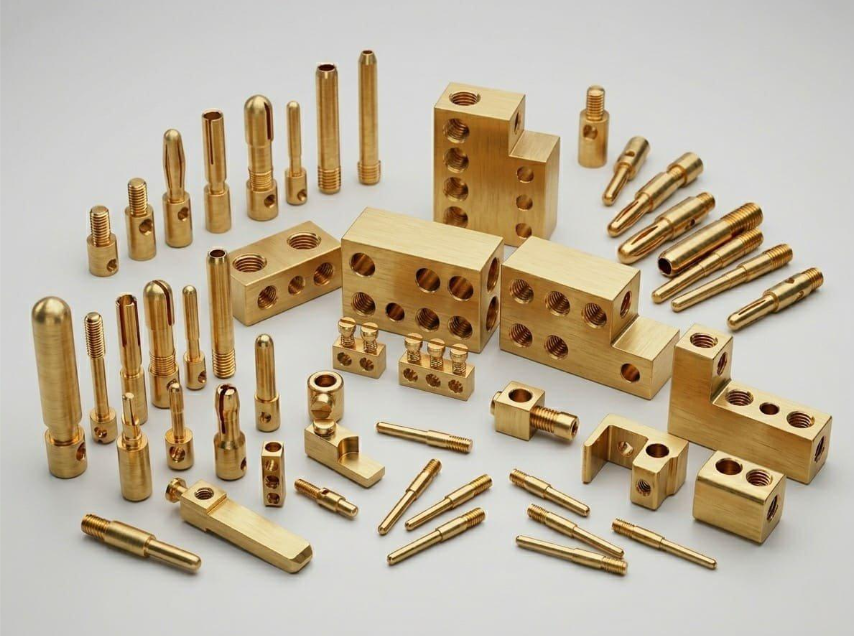
  • High-Performance Brass Electrical Components Manufacturer in India – JV Enterprise

    High-Performance Brass Electrical Components in j v enterprise

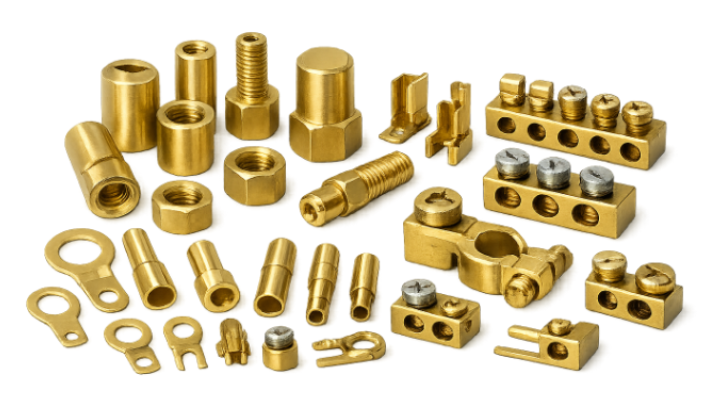
    Electrical systems need parts that connect securely, fit just right, and actually hold up in the long run. Brass is everywhere in electrical and electronic gear because it conducts electricity well, doesn’t rust easily, and stands up to wear. Plus, you can machine it into all sorts of shapes without a hassle.

    JV Enterprise—out of Jamnagar, Gujarat—really gets brass. They’re all about producing precise, well-made parts that meet tough industrial specs. The company pays close attention to detail, so their components fit neatly and work smoothly wherever consistency and reliability matter most.

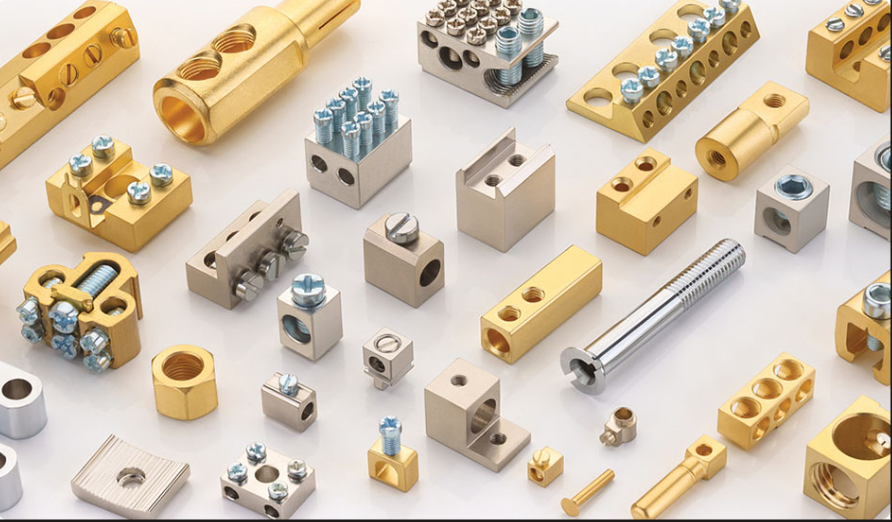
    Brass electrical components play a key role inside equipment and electrical assemblies. They connect wires, hold things in place, and help route power where it needs to go. Manufacturers make these parts in all sorts of shapes and sizes, with different threads and specs, so they fit whatever the job calls for.

    That flexibility means you’ll find them everywhere—from electrical panels and switchgear to control devices, wiring accessories, and all kinds of industrial systems.

    Types of Brass Electrical Pins Terminals and Connectors

    1. Brass Electrical Pins

    Brass electrical pins are used in connectors, plugs, terminals, and electrical assemblies. Their machinability allows manufacturers to produce precise dimensions and different pin configurations according to technical drawings.

    2. Brass Electrical Terminals

    Brass terminals help establish secure electrical connections between wires, cables, and electrical devices. They are available in various shapes and sizes to suit different connection requirements.

    3. Brass Connector Components

    These components are used to join electrical parts and create reliable connection points. Accurate machining and suitable material selection help ensure proper fit within the intended assembly.

    4. Brass Switchgear Components

    Brass parts are used in selected switchgear and control-panel assemblies. Depending on the design, these components may provide mounting, fastening, or electrical connection functions.

    5. Custom Brass Electrical Parts

    Custom components are produced according to customer drawings, samples, thread specifications, and dimensional requirements. They are suitable for manufacturers who need application-specific brass parts rather than standard components.

    Brass electrical parts show up pretty much everywhere—think

    • electrical panels,
    • distribution systems,
    • switchgear,
    • control gear,
    • industrial machinery,
    • automation setups,
    • wiring accessories.

    They’re key for electrical connectors, electronic equipment assemblies, and power distribution projects.

    The real job each part does depends on how it’s made, the material grade, its size, and what it needs to handle. So, different designs offer different possibilities.

    Picking the right manufacturer matters if you want your products to stay consistent and meet all your technical needs. Before you place an order, pay attention to a few things:

    First, make sure they can hit your specs — dimensions, thread details, tolerances. Don’t let that slide. Check that they offer the brass grade and material properties your project needs. You also want someone who’s comfortable working from your engineering drawings, samples, or any custom requirements you throw at them.

    Ask about their quality inspection process. How do they check measurements or confirm materials? Get clear on that. And before you commit, talk through order size, packaging, delivery dates, and any special finishing touches you might need. Get all these details locked down so production goes smoothly.

    Jamnagar stands out as a leading center for brass manufacturing in India, and JV Enterprise is right at the heart of it all. They specialize in precision-machined brass parts, tailored to fit specific industrial needs.

    If you’re looking for a reliable manufacturer for brass electrical components in India, it makes sense to start with your technical drawings, materials, and exact application. That’s how JV Enterprise works—they pay close attention to every detail, from dimensions to specific customer requirements.

    So, whether you need brass electrical pins, terminals, connectors, or custom-made parts, getting your specs right from the beginning helps ensure the final products fit your project perfectly.

  • Brass CNC Turned Components Manufacturer in India

    Brass CNC Turned Components

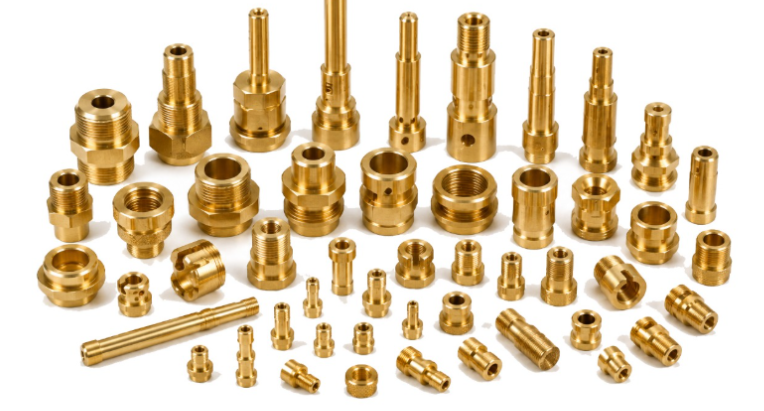
    Brass CNC turned components form the backbone of countless industries today. Precision really matters here—these parts need to fit perfectly every time, deliver consistent quality, and never let anyone down when performance is on the line. Every piece comes to life through Computer Numerical Control (CNC) machining, a technology that takes raw brass and sculpts it into shapes that match exact engineering demands. You see them everywhere: inside electrical circuits, under the hoods of cars, built into electronics, plumbing systems, and scattered across industrial operations. The level of accuracy and repeatability CNC machining offers isn’t just a luxury—it’s what keeps these industries running smoothly and safely.

    JV Enterprise sits at the heart of this production scene, out of Jamnagar, Gujarat, India. The company has carved out its reputation by focusing on brass components, delivering products that don’t just meet technical specifications—they fit the real needs of their diverse clients. By prioritizing precision machining and tailoring parts for individual applications, JV Enterprise has become a go-to supplier for many businesses. Whether it’s a custom batch for a new electronics device or robust fittings for industrial machinery, they make sure their brass components bring reliability and quality to every job. Their commitment to craftsmanship and understanding of practical industry challenges means they aren’t just producing parts—they’re helping clients solve real problems, powering the gears of modern manufacturing forward.

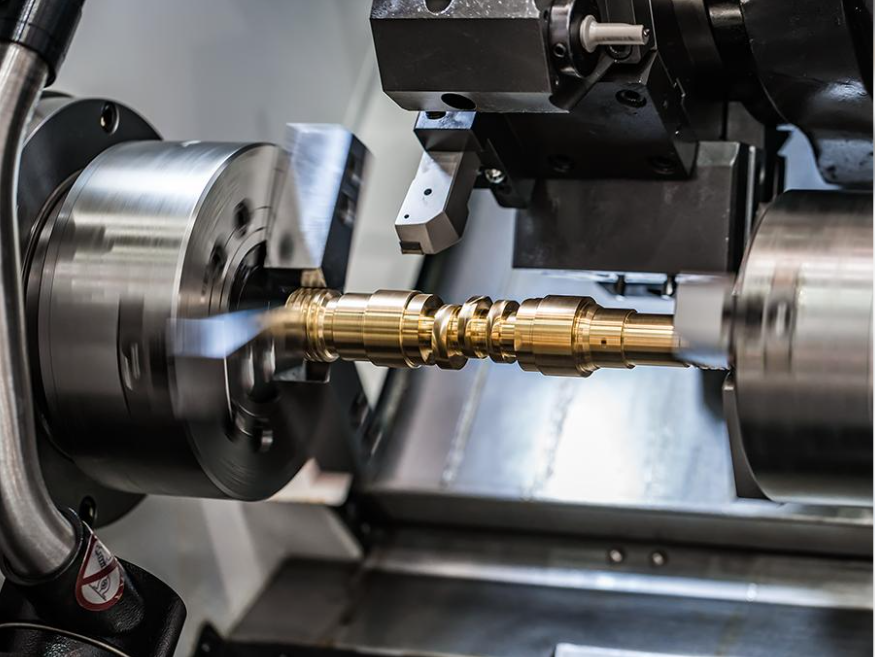
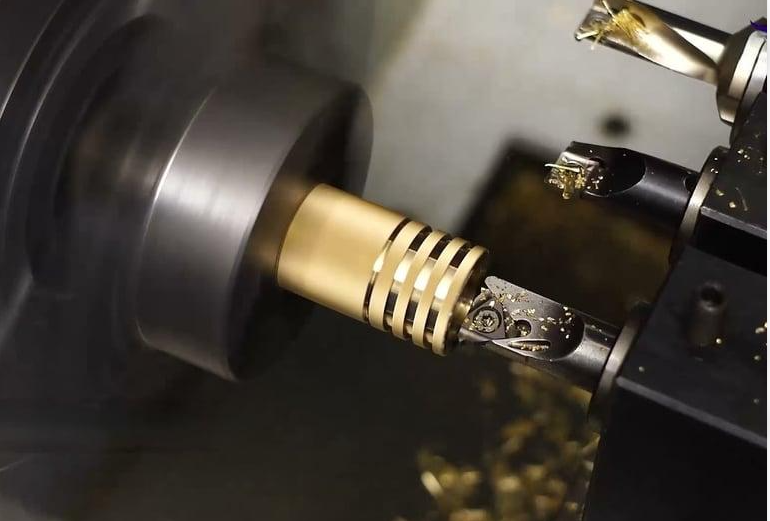
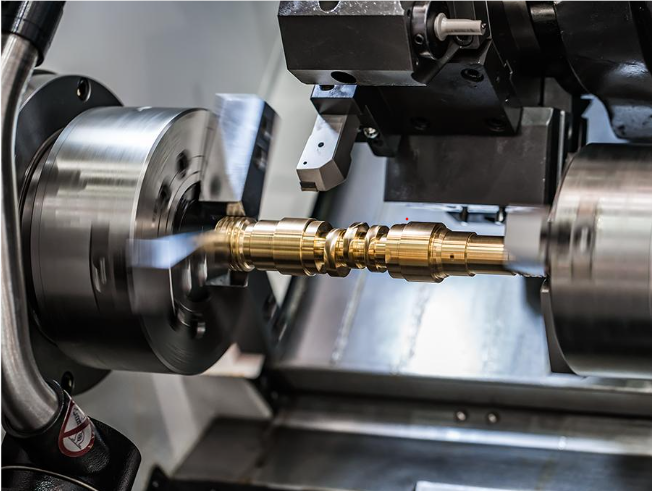
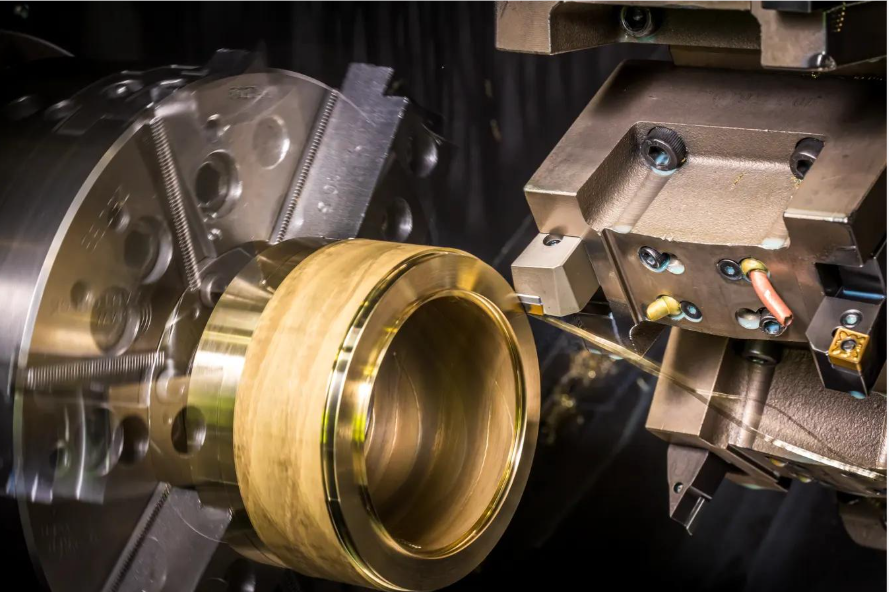
    Brass CNC turned components aren’t just simple machine parts—they’re the result of a tightly controlled, technical process. Picture a piece of brass spinning at high speed while computer-guided tools carve it into shape. Every movement, every cut, follows a digital blueprint. That’s what CNC (Computer Numerical Control) technology does: it takes raw brass and, using precise instructions, transforms it into parts with exact dimensions and complex features.

    Engineers and machinists love the versatility that comes with this CNC turning process. You can get all sorts of intricate details—threaded sections for assembly, grooves to fit seals, stepped diameters for fitting different pieces, holes that handle wires or fluids, and shoulders that lock components in place. The list goes on, limited only by the imagination of the designer and the constraints of the machinery.

    Brass is a favorite for these parts for good reason. It machines easily, so manufacturers can work quickly and keep costs in check. Its corrosion resistance means it lasts longer and doesn’t tarnish easily, which is essential for components used in plumbing, electronics, or automotive. Add its reliable conductivity, and you have material that suits both electrical and mechanical applications.

    1. Brass Precision Pins

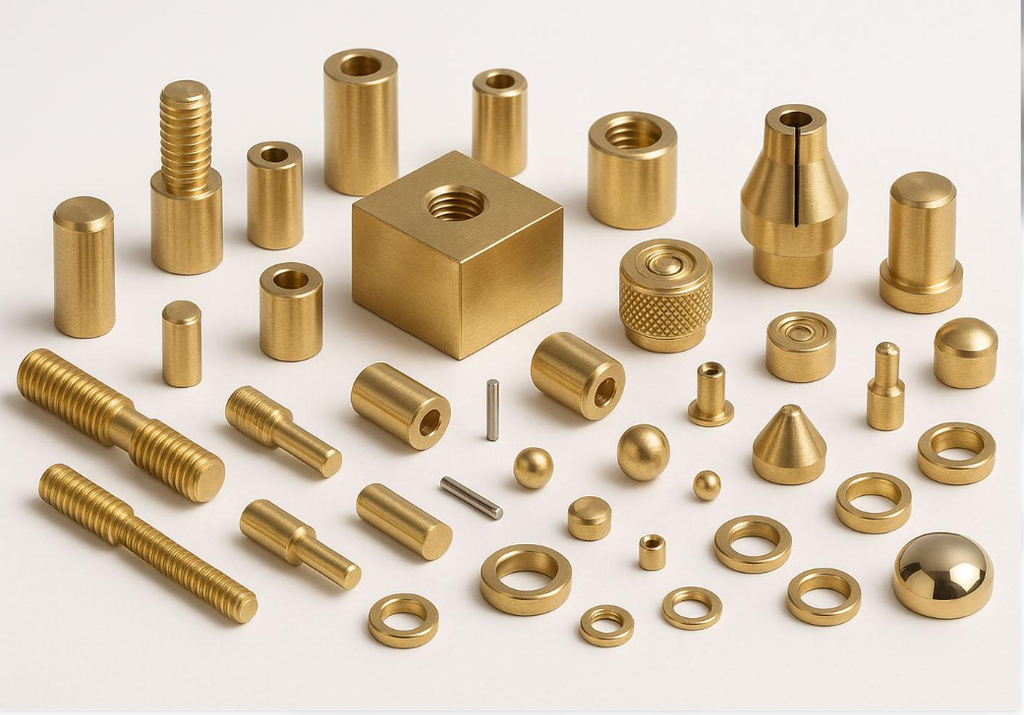
    Brass precision pins are manufactured in specified diameters and lengths for positioning, electrical connections, and mechanical assemblies. Accurate dimensions help ensure proper fit within compatible components.

    2. Brass Threaded Components

    These components feature internal or external threads for secure assembly and connection. They are used in electrical equipment, industrial machinery, fittings, and specialized fastening applications.

    3. Brass Connectors and Terminals

    CNC-turned brass connectors and terminals are used in suitable electrical and electronic assemblies. Their geometry and surface finish can be tailored to meet connection and installation requirements.

    4. Brass Bushes and Spacers

    Brass bushes and spacers are used to maintain spacing, support assemblies, or provide a suitable interface between components. Their dimensions are selected according to the equipment design and operating conditions.

    5. Brass Inserts

    Brass inserts are designed to provide threaded or reinforced connection points in compatible materials and assemblies. They are commonly used in selected plastic components, electrical products, and industrial equipment.

    6. Custom CNC Turned Brass Parts

    Custom brass components can be manufactured according to technical drawings, samples, dimensions, and thread specifications. These parts are useful when standard components do not meet a product’s design requirements.

    Custom brass component

    High Dimensional Accuracy

    CNC machining brings a level of precision that’s tough to match by other methods. With digital programming at its core, every dimension on a component gets controlled down to incredibly tight tolerances. Manufacturers rely on a mix of software-guided instructions and rigorous inspection routines—sometimes with advanced metrology tools—to ensure each piece meets exact specs. This lets engineers confidently design parts knowing the process backs them up, even when the job calls for the smallest or most intricate features.

    Excellent Machinability

    Brass has long been a favorite material because it machines beautifully. The alloy’s properties work perfectly for a wide spectrum of turning tasks. Operators can create highly complex shapes—sharp features, tight radii, or delicate contours—without excessive tool wear or unpredictable finishes. That efficiency isn’t just about speed; it also means production lines consistently put out parts with reliable dimensions and surface quality. So, whether it’s prototyping or high-volume runs, brass helps keep the process smooth.

    Consistent Production Quality

    Getting the same results batch after batch is one of the true advantages of modern CNC turning. Adjusting machine settings, picking the right cutting tools, monitoring processes, and running frequent quality checks form the backbone of stable production. Manufacturers don’t just cross their fingers; they use statistical tracking and tailored feedback loops to minimize defects, so customers receive parts with the same mechanical properties and appearance each time. That’s especially vital for industries with tight regulatory standards.

    Corrosion Resistance

    Brass comes in numerous alloys, many of which hold up well against corrosion. This makes the metal a natural pick for industrial setups where the environment is less than forgiving—think plumbing, marine hardware, or even decorative fittings exposed to moisture and atmospheric change. Manufacturers can tweak alloy selection for different conditions and applications, boosting reliability and service life. In scenarios where rust or deterioration would spell disaster, brass keeps things intact.

    Electrical Conductivity

    When electrical performance matters, brass stands out. Its ability to carry current makes it the go-to material for components such as connectors, terminals, contact pins, and circuit assemblies. Engineers appreciate how brass balances conductivity with mechanical strength, so you don’t have to compromise between electrical performance and ruggedness. This has made the material a mainstay in automotive, telecom, and consumer electronics, where consistent signal transfer is critical.

    Flexible Design Options

    CNC turning unlocks a huge range of design possibilities. The technology isn’t limited to basic cylinders—it easily handles custom diameters, unusual thread profiles, patterned grooves, different lengths, and complex geometries. Designers enjoy freedom to innovate, pushing boundaries when industry demands special features or when products call for functionality and aesthetics in one package. The ability to tailor parts so closely to application needs is a big reason CNC turning gets chosen, again and again, by companies looking to stay ahead.

    Precision brass turned parts show up all over: electrical, automotive, electronics, plumbing, telecommunications, industrial machinery, and in consumer products too. You’ll find them as connectors, terminals, and contact components in electrical systems—they pop up in switchgear as well. In cars, they handle vehicle electrical connections, act as precision fittings, and form part of specialized assemblies. Electronics rely on these parts for connector bodies, threaded sections, spacers, and various instrument components.

    Plumbing uses them for precision fittings and fluid-handling connections. Communications gear depends on selected connectors and hardware shaped from brass. Industrial machinery makes good use of bushes, pins, spacers, and custom parts machined to fit. Even household appliances and smaller equipment need these precision brass pieces.

    It’s crucial to choose the right material grade, tolerances, and design, always matched to the environment and demands of the specific application.

    machining capability : Not every supplier is equipped to handle intricate shapes or tight curves. You need to know if their equipment and expertise match the complexity of your component. Don’t settle for vague assurances — insist on clear examples of similar parts they’ve produced.

    Material matters : Brass comes in a range of grades, each suited to different jobs — some are more corrosion-resistant, others better for conductivity. Figure out exactly which grade it needs to be, and make sure your manufacturer can source and work with the right one.

    Tolerance requirements : now that’s the heart of precision. Be exact about the numbers. Tell them precisely how tight those measurements need to be, which dimensions are most critical, and where you can’t budge even a fraction of a millimeter.

    Customization : is a big deal. Sometimes you’ll need special designs, unusual features, or tweaks that aren’t standard. Ask if they can adapt to your technical drawings, prototype samples, or unique requests. If they shrug off questions about custom work, that’s a red flag.

    quality inspection procedures : You want to know how they measure parts — what tools are they using? How often do they run batch checks? Consistency and accuracy aren’t just words; they’re proven by reliable inspection protocols and transparent reporting.

    Production requirements : go beyond just numbers. Discuss your expected order quantities in detail, talk about packaging that keeps everything safe, plan for possible repeat orders. And pin them down on delivery timelines. Can they hit your deadlines, every time?

    JV Enterprise, located in Jamnagar, Gujarat, India, operates in the brass components industry, with a focus on precision-engineered products and industrial requirements.

    When enquiring about brass CNC turned components, buyers can share their drawings, material preferences, required dimensions, tolerances, and estimated quantities to discuss suitable manufacturing options.

    Contact JV Enterprise to enquire about precision brass CNC turned components for your next industrial application.

  • Premium Brass Nuts, Bolts and Screws Manufacturer in India

    Premium Brass Nuts, Bolts and Screws

    Brass nuts, bolts, and screws—they’re everywhere. You’ll find them in electrical gear, cars, plumbing, electronics, and all kinds of machines. People use them because brass is easy to work with, fights off rust, and lets electricity flow. If you need fasteners that stick around and don’t mess up the quality of your projects, brass just works.

    JV Enterprise in Jamnagar, Gujarat has made brass their business. They really pay attention to details—getting the size right, picking quality materials, and matching specs to whatever job you bring them. If you want brass fasteners you can count on, this company has your back.

    Brass fasteners are basically the go-to hardware when you need to join or hold things together. They’re made from tough brass alloys and come in all shapes and sizes.

    Brass nuts :- have threads on the inside and fit snugly onto matching bolts or studs.

    Bolts :- They’ve got threads on the outside and usually team up with nuts to clamp stuff together.

    Screws :- a bit different—they’re designed to be driven right into materials, and you’ll find them with specialized shapes and threads for whatever job you’ve got.

    You can get these fasteners in tons of sizes, thread patterns, head styles, and finishes, so there’s pretty much always one that fits the job you need.

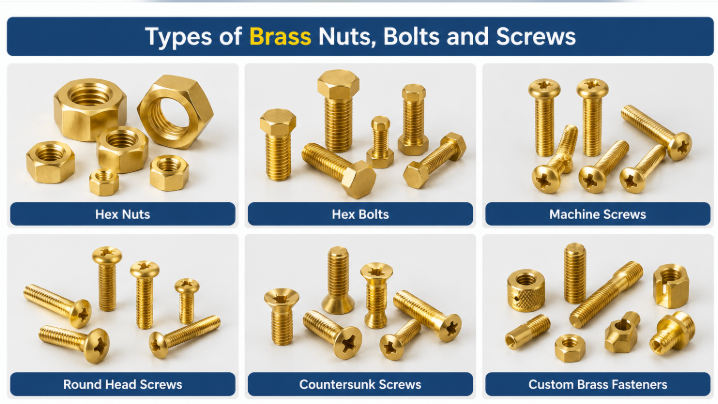
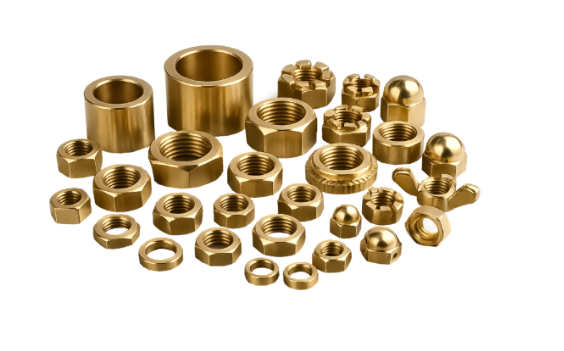
    1. Brass Hex Nuts

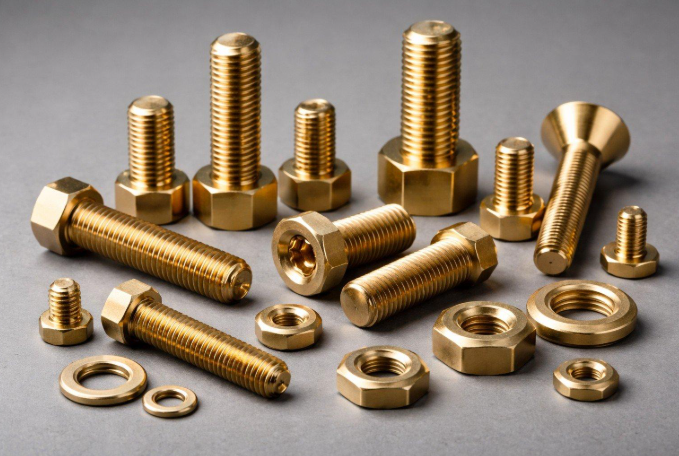
    Brass hex nuts feature a six-sided exterior for convenient tightening with standard tools. They are commonly used in electrical assemblies, machinery and general fastening applications.

    2. Brass Hex Bolts

    Brass hex bolts feature a hexagonal head and threaded shank. They are suitable for compatible mechanical and electrical assemblies where brass fasteners meet the required strength and operating conditions.

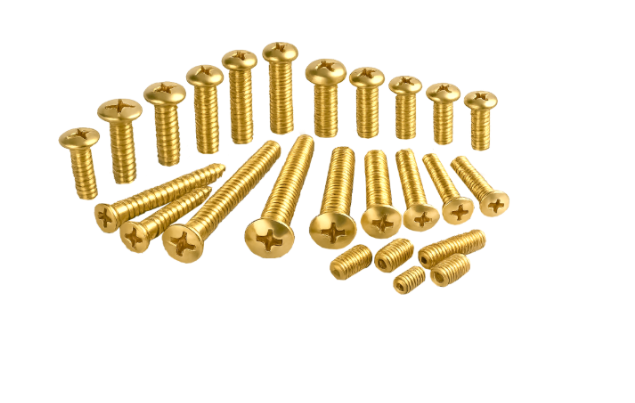
    3. Brass Machine Screws

    Brass machine screws are designed for use with compatible threaded holes or nuts. They are widely used in electronic equipment, electrical panels, instruments and precision assemblies.

    4. Brass Round Head Screws

    These screws feature a rounded head that provides a distinctive finished appearance. They are used in selected electrical equipment, fittings and applications where the head design is appropriate.

    5. Brass Countersunk Screws

    Countersunk brass screws are designed to sit flush with a suitably prepared surface. They are useful in selected electrical fittings, equipment housings and assemblies requiring a smooth finish.

    6. Custom Brass Fasteners

    Custom brass nuts, bolts and screws can be produced according to specified drawings, dimensions, thread sizes and application requirements. These options help manufacturers source components that fit their product designs.

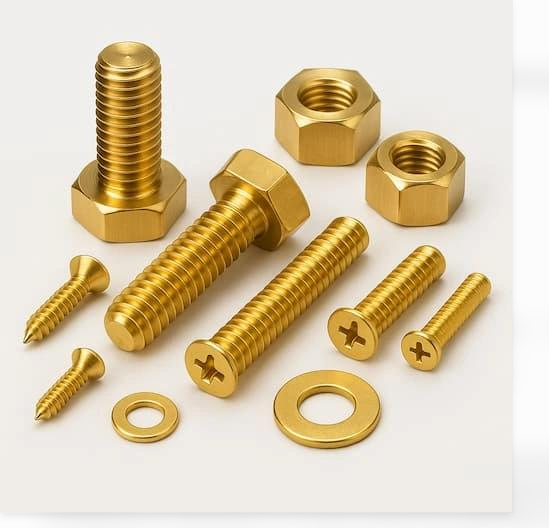
    Types of brass nuts, bolts and screws including hex nuts, hex bolts, machine screws, round head screws, countersunk screws and custom brass fasteners.

    Brass stands up well against corrosion, so it works great for all sorts of indoor and industrial uses. It doesn’t just look good—its electrical conductivity also makes it a solid pick for certain electronic and electrical fasteners where that extra charge matters.

    Machining brass is easy, too. You can shape it into just about any threads, head types, or sizes you need, so it’s a favorite for precise fastener production. When you pair the right brass nuts, bolts, and screws with compatible parts and use them like they’re meant to be used, you get connections you can trust.

    There’s something eye-catching about brass, too. Its shiny, metallic finish really pops in things like visible fittings, electrical outlets, or hardware that needs to look as good as it works.

    On top of all that, brass fasteners come in different grades, thread types, sizes, and finishes. That means you’ve got tons of options to match whatever the job needs.

    Brass fasteners show up almost everywhere — they’re kind of a hidden hero in tons of industries. Take the electrical sector, for example.

    Electrical Industry:

    People use brass fasteners in electrical panels, terminal assemblies, connectors, and even in a few switchgear parts, thanks to their excellent conductivity and corrosion resistance. Electronics isn’t far behind either.

    Electronics Industry:

    You’ll find these fasteners securing delicate instruments, electronic housings, and all sorts of precision equipment — their reliability is crucial in protecting sensitive tech.

    Automotive Industry:

    In cars, brass fasteners help create strong electrical connections and fit into many vehicle assemblies. Mechanics appreciate them because brass doesn’t rust easily and keeps connections secure.

    plumbing Industry:

    The plumbing industry relies on brass for fittings, valves, and tons of plumbing assemblies. Brass won’t corrode when exposed to water, which makes it perfect for homes and businesses alike.

    Lighting Industry :

    Lighting — think lamps, fixtures, holders, and electrical accessories — often comes together with brass fasteners. The color and finish look good, and those fasteners are tough enough to keep everything in place.

    Industrial Machinery:

    Industrial machinery might seem a bit intense, but brass fasteners hold their own. They’re used in critical assemblies where you need reliability and the right specs.

    Furniture and Hardware:

    Furniture and hardware are another world where the look and feel of brass matter. Sometimes, you want hardware that isn’t just strong, but also stylish, and brass delivers both.

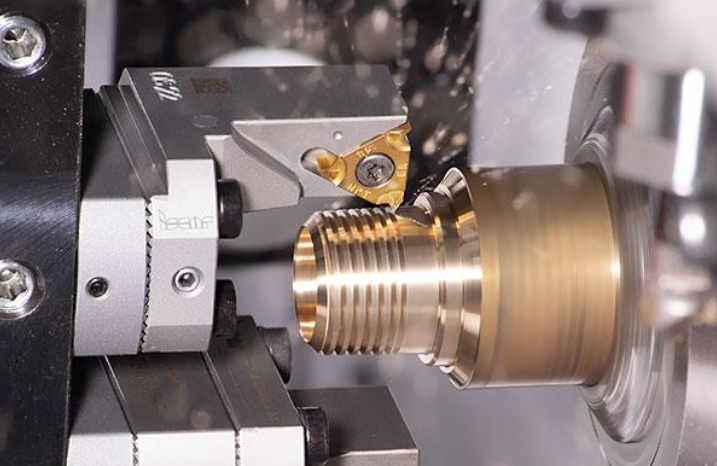
    Precision machining of brass nuts, bolts and threaded screws

    Producing consistent brass nuts, bolts and screws involves several manufacturing and inspection stages.

    1. Brass Material Selection

    The appropriate brass alloy is selected according to the required machinability, corrosion resistance and intended application.

    2. Cutting and Component Forming

    The raw material is cut or formed into the required starting shape based on the fastener design and production method.

    3. Precision Machining

    Suitable machining operations establish the required dimensions, head shape, shank diameter and other component features.

    4. Threading

    External threads are produced on bolts and screws, while internal threads are formed in nuts according to the specified thread dimensions and pitch.

    5. Deburring and Surface Finishing

    Machining burrs are removed, and the surface is finished according to the product specification.

    6. Quality Inspection

    The finished fasteners are checked against relevant specifications, including dimensions, thread compatibility and surface quality. Additional inspections may be required for specific customer applications.

    Manufacturing methods vary depending on the fastener type, material, design complexity and order requirements.

    JV Enterprise, located in Jamnagar, Gujarat, India, operates in the brass components sector and focuses on precision-engineered products for industrial requirements.

    For businesses sourcing brass nuts, bolts and screws, discussing technical specifications in advance helps identify suitable component designs and manufacturing options.

    Customers can share drawings, dimensions, thread specifications, material preferences and sample requirements when enquiring about customized brass components.

    The goal is to help buyers identify brass fastening solutions that suit their assembly requirements while maintaining attention to product specifications and consistency.

  • High-Quality Brass PPR & CPVC Inserts for Reliable Pipe Connections

    High-Quality Brass PPR & CPVC Inserts for Reliable Pipe Connections

    High-Quality Brass PPR & CPVC Inserts :- Today’s plumbing systems can’t function reliably without fittings that lock everything together, thread precisely, and hold up under pressure (literally). That’s where brass inserts come in—they create a solid metal interface inside PPR and CPVC fittings, so you get strong, leak-proof threaded connections and a tough spot to attach equipment.

    These brass inserts come in all kinds of shapes, sizes, and threading options to fit whatever plastic pipe fitting you’re working with. You have to think about details like what material the fitting’s made of, how you’re installing it, what kind of pressure and temperature the system will handle, and what the finished plumbing’s going to do.

    JV Enterprise, up in Jamnagar, Gujarat, is right in the heart of India’s brass manufacturing industry. If you’re a manufacturer looking to buy brass inserts, you can’t just grab anything off the shelf—you need to nail the dimensions, pick the right brass grade, and match the thread specs to your application. That’s how you end up with fittings that don’t just work, but last.

    High-Quality Brass PPR & CPVC Inserts?

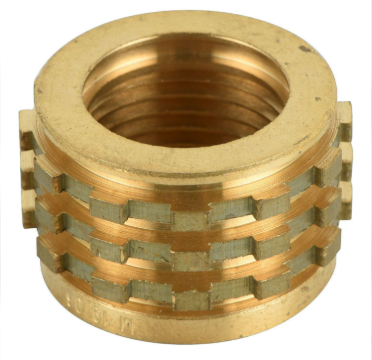
    High-Quality Brass PPR & CPVC Inserts are metal parts built into plastic plumbing fittings. They usually give you a threaded connection—inside or outside—so you can screw on a pipe, valve, tap, or similar piece.

    The brass part handles the tough job of making a solid metal connection. The plastic surrounding it makes up the rest of the fitting, giving you the right shape and structure. Each finished fitting has to be designed and tested to handle specific pressure, temperature, and usage demands.

    Now, even though both PPR and CPVC fittings sometimes use brass inserts, you can’t just swap them around. Each insert’s size, locking features, and installation process have to match the fitting it goes with. Otherwise, it just won’t work right.

    Understanding PPR and CPVC Fittings

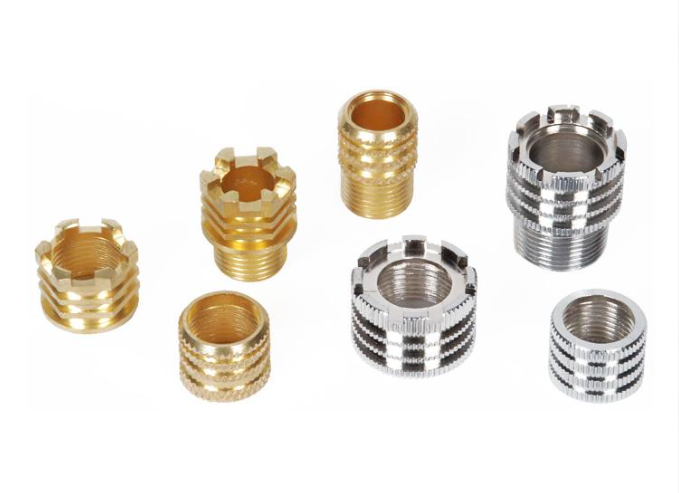
    Knurled and threaded brass inserts for plastic pipe fittings

    1. PPR Pipe Fittings

    Polypropylene random copolymer, usually called PPR, forms the backbone of many modern hot- and cold-water piping systems. It’s prized for its strength, reliability, and resistance to corrosion, which makes it a go-to option for both residential and commercial plumbing. When it comes to installation, PPR fittings are joined to their matching pipes using heat fusion—a process that doesn’t simply glue or screw components together, but actually melts the surfaces and bonds them at a molecular level. This technique creates a seamless, leakproof connection that holds up under pressure and temperature changes.

    But piping systems often need to interface with metal parts or threaded connections—think faucets, valves, or other plumbing accessories. That’s where the brass insert comes in. By embedding a brass insert inside the PPR fitting, you get a sturdy metal interface that lets you connect other threaded accessories without compromising the plastic’s integrity. The geometry and placement of the insert are crucial. If the insert isn’t designed correctly or doesn’t fit the surrounding polymer, it risks weakening the whole system or even causing leaks as temperatures fluctuate or pressure spikes.

    2. CPVC Pipe Fittings

    Chlorinated polyvinyl chloride, or CPVC, takes a similar role in piping systems, though the chemistry is different. CPVC pipes have excellent chemical resistance and can handle higher temperatures compared to standard PVC, making them suitable for both hot and cold water applications. But, as always, contractors must pay attention to the product’s rating and stick to specific installation standards to ensure a safe system.

    Just like with PPR, CPVC fittings occasionally require brass inserts for threaded connections. These inserts create solid junction points for metal accessories, but there’s a catch: The insert must be perfectly matched to the fitting’s design. A poorly integrated insert could disrupt the connection’s integrity, leading to leaks or mechanical failures down the line—especially when subjected to repeated temperature cycling or water hammer.

    Both PPR and CPVC offer unique material properties, and each demands its own joining strategy. Their different chemistries mean their fittings, insert designs, and assembly practices must be tailored to the material, never treated as interchangeable. For designers and plumbers, it’s vital to evaluate each system separately, considering not just compatibility, but long-term durability and safety under real-world operating conditions. The right choice in fitting design and insert specification can make all the difference between a trouble-free system and costly repairs.

    Manufacturing Process for Brass PPR & CPVC Inserts

    Precision machining of brass threaded inserts for plumbing components

    Consistent insert manufacturing starts with a clear technical specification and continues through machining and inspection.

    Step 1: Drawing and Specification Review

    The component drawing is reviewed for dimensions, thread details, tolerances, brass grade and surface finish. The insert’s intended fitting and installation method should also be identified.

    Step 2: Brass Material Preparation

    Suitable brass stock is selected according to the approved material specification. Any special requirements concerning chemical composition or material documentation should be agreed upon before production.

    Step 3: Precision Turning

    Turning operations establish the external profile, diameter and length of the insert. Additional operations may be needed to create shoulders, grooves and retention features.

    Step 4: Threading and Secondary Machining

    Internal or external threads are machined according to the specified thread standard. Knurling, drilling or other operations may be performed where required by the design.

    Step 5: Dimensional Inspection

    Critical measurements, thread dimensions, surface condition and other specified characteristics are checked against the drawing. Inspection criteria should reflect the insert’s intended function.

    Step 6: Finishing and Packing

    Components are finished according to the agreed specification and packed to protect their threads and surfaces during handling and transportation.

    The complete plastic fitting, including its insert, should undergo the relevant validation and testing required for its intended service.

    Important Factors When Choosing Brass PPR & CPVC Inserts

    Choosing the right insert requires more than matching a thread size. Buyers and fitting manufacturers should consider the following factors.

    • Fitting material: Confirm whether the insert is intended for a PPR or CPVC fitting design.
    • Thread specification: Define the thread standard, diameter, pitch and engagement length.
    • Insert dimensions: Specify the outer diameter, internal diameter, length and other critical measurements.
    • Retention design: Identify whether the fitting requires knurling, grooves, shoulders or another retention feature.
    • Brass grade: Select material according to the application’s mechanical, corrosion and regulatory requirements.
    • Operating conditions: Confirm the required pressure and temperature ratings of the complete fitting.
    • Quality inspection: Establish dimensional tolerances, acceptance criteria and any required documentation.
    • Order quantity: Discuss samples, production batches and repeat-order requirements with the manufacturer.

    Correct insert selection helps fitting manufacturers develop connections that meet their intended performance requirements.

    Applications of Brass PPR & CPVC Inserts

    Brass inserts are used in various compatible plumbing products, depending on the fitting design and application.

    Threaded Pipe Fittings: Inserts can provide metal threads in plastic fittings that connect to compatible threaded components.

    Taps and Valves: Certain fitting designs incorporate brass inserts to create connection points for taps, valves and related plumbing accessories.

    Water Supply Assemblies: Inserts may be used in compatible hot- and cold-water fitting designs, provided the complete assembly meets its required ratings and standards.

    Plumbing Adapters: Brass inserts can support threaded interfaces in adapters that connect compatible components.

    Custom Plumbing Fittings: Specially designed inserts may be manufactured for fitting producers who require non-standard dimensions or retention features.

    Every application should be assessed for compatibility with the conveyed fluid, pressure, temperature and relevant regulatory requirements.

    Brass PPR & CPVC Inserts Manufacturer – JV Enterprise

    JV Enterprise is based in Jamnagar, Gujarat, India, a recognised centre for brass component manufacturing. Businesses seeking brass inserts for plumbing fittings can begin their enquiry by sharing the component drawing, material requirements and estimated order quantity.

    For a clear manufacturing assessment, specify whether the insert is intended for a PPR or CPVC fitting, along with its thread type, dimensions, brass grade and required external retention features.

    Any special requirements concerning surface finishing, material documentation, quality inspection or packaging should also be included in the enquiry. Product-specific capabilities and compliance arrangements must be confirmed directly with JV Enterprise before an order is finalised.

    A well-defined technical specification helps both the fitting manufacturer and the component supplier understand the requirements before production begins.

  • Premium Brass Precision Components for Superior Industrial Performance

    Premium Brass Precision Components for  industrial applications

    Modern factories rely on parts that fit perfectly, work the same every time, and meet strict engineering demands. Whether it’s electrical assemblies or heavy-duty machines, precision brass components make it possible to build products with solid connections, accurate measurements, and straightforward assembly.

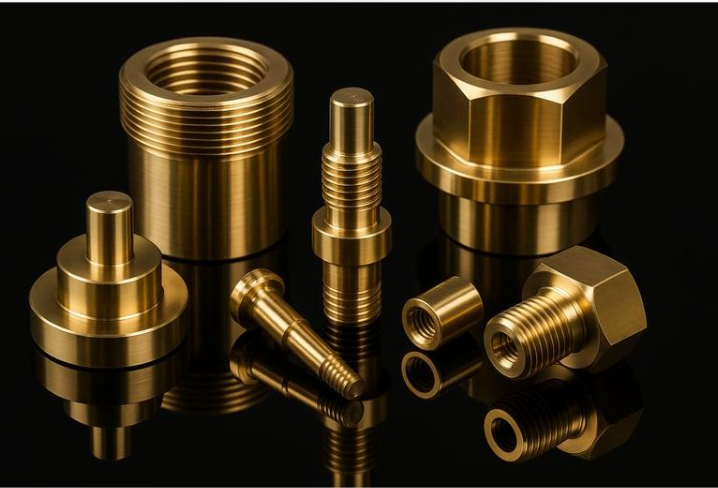
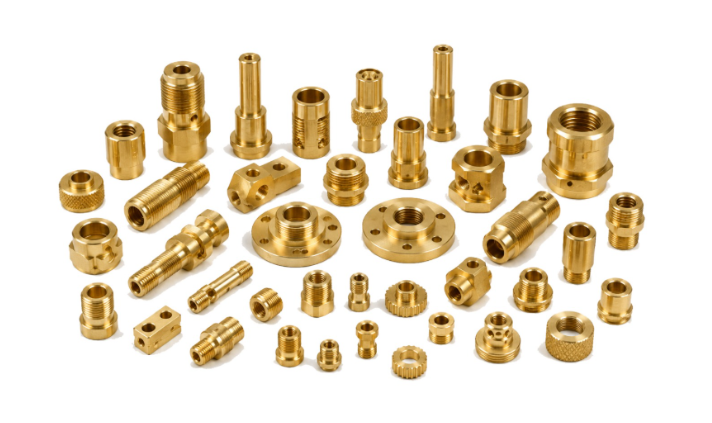
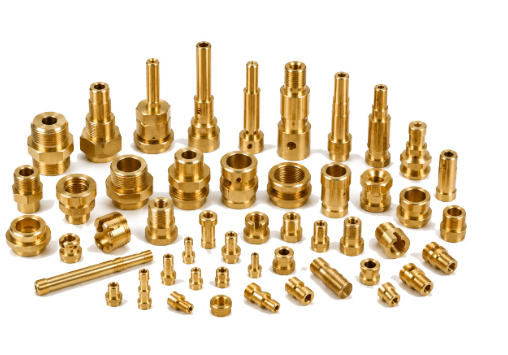
    These brass parts come in all shapes and sizes—threaded fittings, pins, bushes, connectors, inserts, and plenty of custom designs. The exact shape depends on where and how they’re used.

    JV Enterprise, out of Jamnagar, Gujarat, specializes in manufacturing brass components. If you’re looking to source precision brass parts, everything starts with a clear technical drawing, picking the right materials, and setting quality standards that aren’t up for debate.

    Brass precision components aren’t just any metal parts. Manufacturers shape them from brass to exact measurements and tight tolerances, so they fit and function according to the engineering specs. Engineers turn to these components when every detail matters—threading, surface finish, even the way the part slots into an assembly.

    They’re nothing like general-purpose metal pieces. Precision components demand meticulous attention to critical dimensions and consistency. The manufacturing process often involves turning, drilling, tapping, or milling—whatever matches the application.

    The final design really comes down to the component’s job, which brass alloy fits best, how many will be made, and what tolerances the customer needs. Every choice impacts how the part will look and perform.

    Brass offers several useful properties for manufacturing applications. The appropriate grade should always be selected according to the part’s mechanical, electrical and environmental requirements.

    1. Excellent Machinability

    Many brass alloys are suitable for turning, drilling and threading. Their machinability makes them useful for producing detailed profiles, small components and threaded features.

    2. Dimensional Accuracy

    Suitable machining processes and inspection methods help manufacturers achieve the specified component dimensions. Accuracy depends on the part design, equipment, process controls and required tolerances.

    3. Electrical Conductivity

    Brass conducts electricity and is used in selected electrical components, terminals and connectors. The specific alloy must meet the electrical requirements of the intended application.

    4. Corrosion Resistance

    Many brass grades provide resistance to corrosion in suitable environments. The level of resistance depends on alloy composition, exposure conditions and the presence of other materials.

    5. Flexible Component Design

    Brass can be machined into a wide range of profiles, including sleeves, pins, threaded inserts, connectors and specially shaped parts. This flexibility supports different manufacturing and assembly requirements.

    Different industries require different component geometries. The following categories illustrate common brass precision parts used in manufacturing.

    1. Brass CNC Turned Components

    CNC-turned brass components are produced using computer-controlled turning equipment to create specified diameters, lengths, grooves and other profiles. They are useful when consistent dimensions and repeatable production are required.

    2. Brass Electrical Components

    Electrical brass components may include pins, terminals, contacts and connector parts. Their design must account for electrical conductivity, contact resistance, operating temperature and the mechanical requirements of the assembly.

    3. Brass Bushes and Sleeves

    Brass bushes and sleeves are cylindrical components that may serve as spacers, supports, threaded fittings or locating elements. Their bore dimensions, external diameter and length must match the intended assembly.

    4. Brass Inserts

    Brass inserts are used in compatible assemblies to provide threaded mounting points or joining features. Depending on their application, they may be designed for installation into plastic components or other suitable materials.

    5. Custom Brass Machined Parts

    Custom brass components are manufactured to application-specific drawings or approved samples. They may include special threads, stepped profiles, grooves, bores or other features that are not available in standard designs.

    Product availability and manufacturing suitability should be confirmed against the supplier’s capabilities.

    Brass precision parts show up all over the place—each industry leans on them for its own reasons, depending on what’s needed. In electrical and electronics work, you’ll find brass pins, terminals, and connectors. These pieces fit right into electrical assemblies, carrying current and staying reliable.

    Automotive manufacturing uses brass in a slightly different way: the right components become part of the electrical system or fittings inside the car. Industrial machinery relies on machined brass parts as spacers, sleeves, and connectors. They help equipment run smoothly.

    In plumbing and fluid handling, brass fittings and threaded parts keep fluid systems tight and leak-free. Engineers have to pick the right alloy—factoring in the fluid, pressure, temperature, and whichever standards the job demands. General engineering calls for custom brass pieces once manufacturers need a specific profile, dimension, or threaded connection.

    One thing remains constant: before any material or design gets the go-ahead, you have to look at how the component will actually work in its environment. The real-world conditions always matter most.

    CNC machining process for precision brass components

    Precision manufacturing involves several stages, from interpreting the engineering drawing to inspecting the finished component.

    Step 1: Drawing and Specification Review

    The required dimensions, tolerances, thread details, material grade, surface finish and order quantity are reviewed before production planning.

    Step 2: Brass Material Selection

    The brass grade is selected according to the approved specification and the component’s intended use. Any special material or documentation requirements should be confirmed before manufacturing.

    Step 3: Precision Machining

    Suitable turning, drilling, tapping or other machining processes are selected to create the required geometry. The process depends on the component design and production quantity.

    Step 4: Deburring and Finishing

    Machined edges are finished according to the drawing. Where necessary, the component may require a specified surface treatment or plating process.

    Step 5: Dimensional Inspection

    Critical dimensions are checked against the agreed specifications. Inspection may include diameter, length, bore size, thread dimensions and surface condition.

    Step 6: Packing and Dispatch

    Finished components are packed according to the order requirements to help protect them from handling damage during storage and transportation.

    Choosing the right supplier can make or break your manufacturing process, especially when you rely on steady component quality and a predictable production schedule.

    Start by checking their machining capabilities. Can they handle the shapes and features you need? Get clear about the brass grade—what kind of brass are you after, and do they have the necessary certifications or material documents?

    Look closely at dimensional tolerances. Take your technical drawings and highlight those measurements that really matter. How much wiggle room is there? You’ll want those limits set in stone.

    Set up a quality inspection plan before production starts. Lay out the steps and standards, so there’s no confusion down the line. If you need custom manufacturing, ask if they’re comfortable building from your drawings or samples you approve.

    Talk quantities—figure out how many prototypes you need, what batch sizes you expect, and what happens with repeat orders. Work together on delivery schedules and packing requirements that actually fit your needs.

    A thorough technical spec leaves less room for error and keeps everyone in the loop. Good specs, good communication. That’s how you avoid headaches on the shop floor.

    For an accurate manufacturing assessment, provide the component dimensions, required tolerances, thread details, brass grade and any specified finishing or inspection requirements.

    JV Enterprise is based in Jamnagar, Gujarat, India, a recognised centre for brass component manufacturing. Businesses looking for precision brass parts can begin their enquiry by sharing drawings, material requirements and estimated quantities.

    Custom components should be reviewed against the manufacturer’s actual machinery, process capabilities and quality arrangements before the order is confirmed.

    By defining these requirements at the beginning, buyers can make a more informed decision when sourcing brass precision components for industrial and electrical applications.

  • High-Performance Brass Bushes for Reliable Industrial Applications

    Precision brass bushes manufactured for industrial applications

    In modern manufacturing, even a small component can make a significant difference to the performance of an assembled product. Brass bushes are widely used in mechanical and electrical assemblies where accurate dimensions, dependable fitting and consistent component quality are important.

    JV Enterprise focuses on brass components and precision-manufacturing solutions for industrial applications. Brass bushes can be produced in different dimensions, shapes and configurations to suit specific assembly requirements, subject to manufacturing capabilities and specifications.

    Whether used as a sleeve, spacer, threaded insert or supporting component, a properly specified brass bush helps manufacturers achieve reliable assembly and consistent product performance.

    So, technically, a brass bush is basically this chunk—usually cylindrical, sometimes fancier—that slips inside or surrounds other bits and pieces in a machine. Brass bushings play a bunch of roles: they help space things out, keep stuff lined up, offer a spot for threading, and kind of shield parts from wearing each other down.

    And you can’t just eyeball one and grab it off the shelf; it’s not only about the shiny look. You gotta pay attention to the inner diameter, outer diameter, how long it is, thickness of the wall, and obviously what you’re planning to do with it.

    Brass itself is a mix of copper and zinc. This stuff is pretty easy to machine, it doesn’t rust easily (well, in most places), and you can make fairly complex shapes with it. There’s different grades, though—not all brass is created equal. The right mix depends on what kind of stress, electrical stuff, or weather it’s gonna face. Pick accordingly or regret later, honestly.

    The choice of material affects machining, fitting, durability and overall component performance. Brass offers several useful properties for suitable industrial applications.

    1. Excellent Machinability

    Many brass grades are well suited to turning, drilling, threading and other machining operations. This makes brass a practical choice for manufacturing small, accurately dimensioned bush components.

    2. Good Corrosion Resistance

    Brass offers resistance to corrosion in many common operating environments. However, the level of protection depends on the alloy grade, surrounding materials and exposure conditions.

    3. Accurate Threading and Fitting

    Brass bushes can be manufactured with internal or external threads when the design requires them. Accurate thread dimensions and suitable tolerances help components fit correctly during assembly.

    4. Versatile Component Design

    From simple cylindrical sleeves to stepped or threaded bushes, brass supports a wide range of component geometries. The final design can be selected according to the assembly’s functional requirements.

    5. Suitability for Different Industries

    Depending on the selected alloy, design and specifications, brass bushes can serve a variety of industrial, electrical, plumbing and equipment-manufacturing applications.

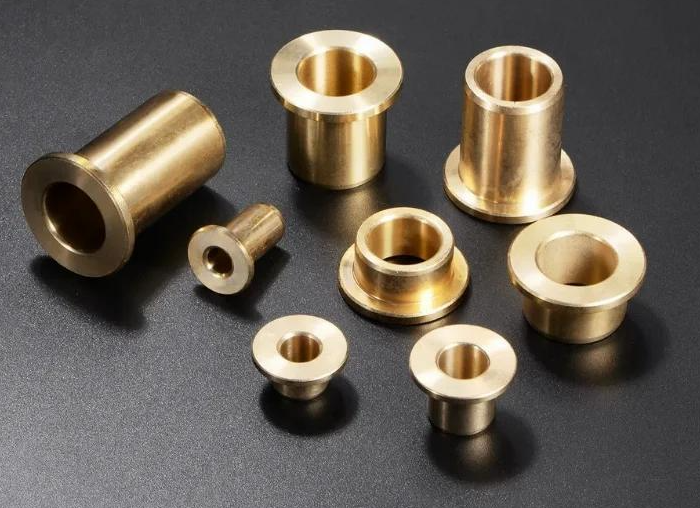
    Plain flanged and threaded brass bushes in different designs

    Brass bushes are available in different designs to fulfil different assembly functions. The following types describe common design configurations; actual product availability depends on the manufacturer’s capabilities.

    1. Plain Brass Bushes

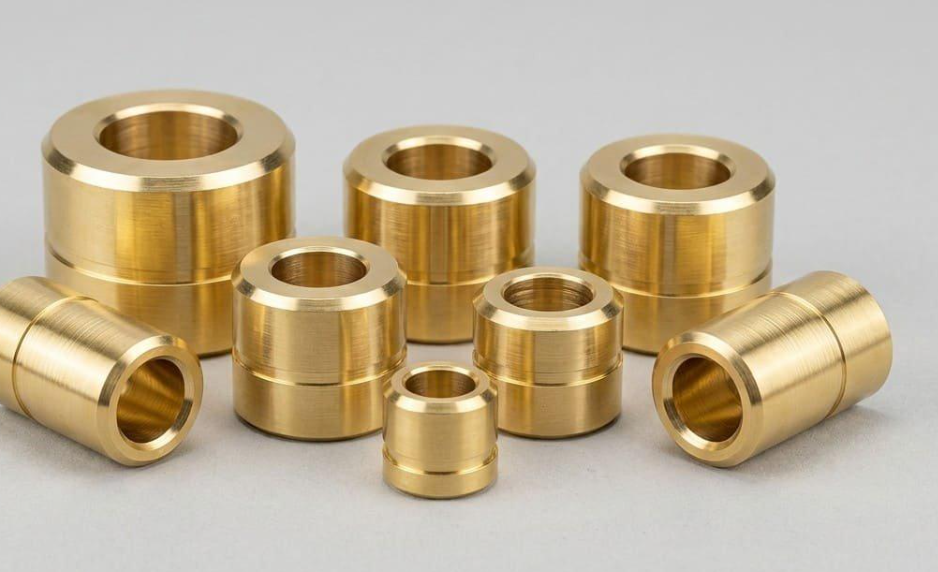
    Plain brass bushes have a straightforward cylindrical design, generally featuring a central bore. They can be used as sleeves, spacers or fitted components in suitable mechanical assemblies.

    Their dimensions should be selected according to the required clearance, load conditions and surrounding components.

    2. Threaded Brass Bushes

    Threaded brass bushes feature internal or external threads for applications that require a screw connection or threaded mounting arrangement. Thread pitch, diameter and engagement length are important when specifying these components.

    They may be suitable for selected equipment housings, mounting assemblies and industrial fittings.

    3. Flanged Brass Bushes

    Flanged brass bushes incorporate an extended rim at one end. The flange can provide a locating surface or help control the component’s position within an assembly.

    Flange diameter, thickness and overall length must match the application design.

    4. Precision Brass Bushes

    Precision brass bushes are manufactured to specified dimensional requirements for assemblies where accurate fitting and repeatability are essential. Their production may involve controlled turning, drilling, boring and finishing operations.

    Component drawings and tolerance requirements help establish the appropriate manufacturing process.

    5. Custom Brass Bushes

    Custom brass bushes are designed around application-specific requirements. These may include unusual dimensions, stepped profiles, special threads, specific bore sizes or other features required by the final assembly.

    Providing a technical drawing or a sample part can help establish the design and manufacturing requirements.

    Brass bushes can be incorporated into a variety of products and assemblies. Their actual suitability depends on the design, operating conditions and selected material.

    Electrical Equipment: Specially designed brass bushes may be used in selected electrical assemblies, equipment housings and mounting arrangements.

    Industrial Machinery: Plain or precision bushes can serve as sleeves, spacers or locating components in suitable mechanical equipment.

    Plumbing and Fluid-Handling Equipment: Certain brass bush designs are used as threaded adapters or connecting components where compatible with the fluid, pressure and temperature requirements.

    Automotive Assemblies: Application-specific brass bushes may be used in selected non-critical fittings, housings and mechanical assemblies where the material meets the design requirements.

    General Engineering: Custom brass bushes are useful for equipment manufacturers that require specific dimensions, threaded features or repeatable component designs.

    The correct bush should always be selected according to its intended function rather than its material alone.

    Manufacturing quality begins with the component drawing and continues through machining and inspection. The precise process depends on the bush design, order quantity and required tolerances.

    Step 1: Specification and Material Selection

    The manufacturer reviews the component drawing, dimensions, brass grade, thread details and application requirements before production begins.

    Step 2: Brass Material Preparation

    Suitable brass stock is selected and prepared according to the component design and intended machining process.

    Step 3: Turning and Machining

    Turning operations establish the external profile, while drilling or boring operations create the required internal diameter. Additional machining may be needed for shoulders, grooves, flanges or other features.

    Step 4: Threading and Finishing

    Where required, internal or external threads are machined. Deburring and appropriate finishing operations help prepare the component for assembly.

    Step 5: Dimensional Inspection

    Critical dimensions, bore sizes, lengths, thread details and surface condition are checked against the agreed specifications. Inspection requirements should be defined according to the component’s intended use.

    Step 6: Packing and Dispatch

    Accepted components are prepared for packing and dispatch according to the order requirements, with suitable protection to help prevent damage during handling and transportation.

    Precision machining process for brass bush components

    Picking a brass bush manufacturer isn’t just about who’s got the lowest quote—it’s a bit more involved than that. If you want stuff to actually fit and work as planned, you’ve gotta dig a bit deeper.

    Here’s what to actually check before you start waving your money around:

    Manufacturing chops – Does the supplier genuinely know how to handle your weird sizes, those awkward profiles, or special threads? You don’t want someone who just says “yeah, sure” and then delivers something that looks like a doorstop.

    Material details – Be clear about which brass grade you want (because not all brass is created equal), and honestly, tell them if you need anything fancy for a special application.

    Accuracy game – Get nerdy with your tolerances. Spell out exactly how tight you want the bore, OD, length, whatever—don’t leave it to their imagination.

    How they check quality – Seriously ask, “How do you check if my parts are actually correct?” If they’re pulling numbers out of thin air, maybe walk away. Even better if they’ll send you measurement reports.

    Custom work – Will they work off your engineering drawings or just scribbles on a napkin? Make sure you’re both talking about the same thing.

    Order size and repeats – What’s their minimum batch? If you end up loving them, can you set up hassle-free repeat orders? Clear it up to avoid future drama.

    Delivery timing – Set down realistic (keyword: realistic) timelines for getting your stuff made and shipped. Guesswork here = headaches later.

    Basically, ask questions. Way more questions than you think you need to. Saves a world of pain once you go into production.

    A clear technical specification helps reduce misunderstandings and supports a more reliable manufacturing process.

    JV Enterprise serves the brass components manufacturing sector from Jamnagar, Gujarat, India. For buyers exploring brass bush solutions, sharing the application details and component specifications is a useful starting point for discussing manufacturing suitability.

    When enquiring about a brass bush, provide the required dimensions, brass grade, thread details, estimated order quantity and any available technical drawing. These details help clarify the scope of the requirement and the specifications that need to be confirmed.

    For custom components, the final manufacturing plan should be agreed upon after reviewing the drawing, tolerances, material requirements and inspection criteria.

    Businesses seeking a brass bush manufacturer in India can use this information to prepare a clear and technically complete enquiry for JV Enterprise.

  • Brass CNG & PNG Gas Parts Manufacturer in India – Reliable, Precision-Engineered Solutions by JV Enterprise

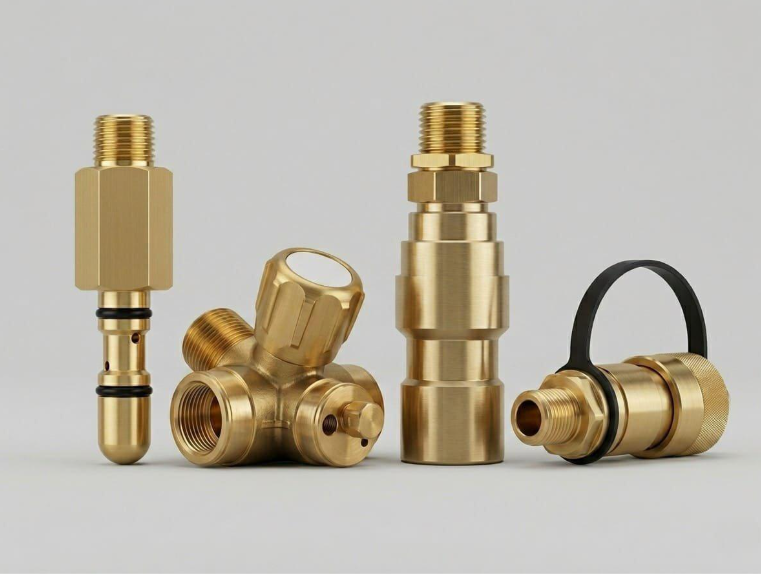
    Precision brass CNG and PNG gas fittings and connectors by JV Enterprise

    The growing demand for Compressed Natural Gas (CNG) and Piped Natural Gas (PNG) has increased the need for reliable, durable, and precision-engineered gas system components. From automotive fuel systems to residential and industrial gas connections, every component must meet the required dimensional, material, and application-specific standards.

    JV Enterprise specializes in brass components and precision-machined products, serving industrial requirements with a focus on manufacturing accuracy, material consistency, and customized component solutions.

    If you are searching for a Brass CNG & PNG Gas Parts Manufacturer in India, choosing a manufacturer with suitable machining capabilities and consistent quality control is essential for dependable gas system applications.

    Brass CNG and PNG gas parts are basically brass components made for gas distribution, connecting systems, and controlling assemblies. You’ll find them in fittings, connectors, valve parts, and other equipment wherever gas is involved.

    Brass is pretty popular in engineering because it’s easy to machine, handles corrosion well when used in the right conditions, and lets you get precise shapes and sizes for different components.

    Some common brass parts you’ll see in gas setups are:

    • Brass gas fittings and connectors
    • Precision-machined brass adaptors
    • Brass threaded pieces
    • Brass valve components
    • Custom brass inserts and turned parts
    • Brass connectors designed for compatible gas equipment

    These parts play a big role in making gas systems reliable and efficient.

    Brass CNG & PNG Gas Parts Manufacturer

    Picking the right material matters when you’re making parts for gas systems. Brass really stands out—it’s got some key traits engineers love.

    First, it’s easy to machine. You can shape brass into all sorts of complicated forms and get those fine details right. That’s perfect for things like threaded parts, connectors, and any custom pieces you need.

    Then there’s corrosion resistance. If you choose the right brass alloy for your environment, it holds up well against rust, which keeps your parts lasting longer.

    You also get top-notch accuracy. Precision machining means brass parts come out with exactly the right measurements and thread patterns, just like the specs call for.

    Brass works for all kinds of manufacturing, too. You can make components in just about any size or shape to fit whatever your equipment and assembly demand.

    And if you need made-to-order parts—no problem. Brass can be crafted to match whatever your drawings, samples, or technical specs require.

    In Sort We Can List It Like :-

    1. Excellent Machinability
    2. Corrosion Resistance
    3. Dimensional Accuracy
    4. Versatile Manufacturing Applications
    5. Custom Component Manufacturing
    brass-cng-png-gas-parts-jv-enterprise

    JV Enterprise specializes in brass parts and precision-machined products for industrial use. They pay close attention to manufacturing accuracy, detailed specs, and what their customers actually need. Basically, they’re in the business of helping companies that want reliable brass component solutions.

    If you’re trying to find brass CNG or PNG gas parts, it’s smart to check whether the manufacturer can really deliver what you need. Make sure they’re good with the brass grade you require and can provide proper material certification. Don’t forget to double-check component measurements, thread details, and the quality of the surface finish. Machining tolerances matter too, especially if your application gets technical. Pressure ratings and gas compatibility need to match your specs, and you should look for solid inspection and quality docs. And of course, make sure their products meet all the industry standards and approvals that your business needs.

    JV Enterprise is a solid option if their manufacturing abilities fit your approved drawings and specifications for brass components. If their capabilities line up with what you need, you’re good to go.

  • Brass Electrical Components :- Precision, Performance and Reliable Connections

    Brass Electrical Components Manufacturer – JV Enterprise

    Every electrical system depends on its tiniest parts far more than most people realize. One faulty component can throw everything off, disrupting operation and costing time and money. That’s why whether you’re putting together control panels, building switchgear assemblies, or managing complex industrial connections, you need metal parts that don’t just fit—they perform consistently, day in and day out.

    That’s where JV Enterprise steps in. The company specializes in precision-engineered brass components, taking on projects that demand more than generic, off-the-shelf parts. They’re not just manufacturing—they’re customizing solutions to address the unique needs of industrial clients. Their workshop runs on advanced machining technology, which means every part they produce meets strict dimensional standards. The team keeps an eagle eye on the details, because accuracy isn’t negotiable—it’s essential for top-notch performance.

    But JV Enterprise doesn’t stop at producing components. They focus on providing practical engineering answers. Customers working under tight deadlines or demanding conditions lean on JV’s ability to deliver reliably, without the headaches of inconsistent quality. The end goal? To make sure every part isn’t just meeting specs, but actually helping customers build systems that stand up to real-world challenges, again and again.

    Electrical conductivity :–

    Brass plays a big role in electrical engineering, and it’s easy to see why. For starters, it does a great job conducting electricity, which is essential if you’re designing anything from connectors to terminals. But there’s more to it than just moving current from point A to point B.

    machinability :-

    One key reason engineers keep coming back to brass is its machinability. You can shape, drill, cut, and thread it with impressive precision—and it doesn’t chew up tools the way some harder metals do. That level of workability is a game-changer when you need small, complex, or highly detailed parts. Think of all the tiny components packed inside a circuit breaker or a relay. Brass makes that kind of engineering look easy.

    Corrosion resistance :-

    Corrosion resistance is another win for brass. Electrical assemblies need to last, often in environments where moisture or harsh chemicals could cause trouble. With the right brass grade and the right finish, parts stay in top shape, even in tough settings—reducing maintenance headaches down the road.

    Dimensional accuracy :-

    Dimensional accuracy is something people tend to overlook, but with brass, it’s almost a given. You can trust that each batch of parts will fit perfectly, snap into place, and keep the assembly working smoothly. That’s crucial in electrical assemblies, where there’s little room for error.

    manufacturing flexibility :-

    Another advantage is manufacturing flexibility. Brass doesn’t lock you into one design. Need something standard or fully custom? Brass can handle both, which means you don’t have to compromise on the details that matter most for the application Of course, picking the right brass grade, size, and surface finish isn’t optional—it’s a must. The wrong choice in any of those areas can undo all the benefits, so smart engineers always match the material to the demands of the electrical job. When that’s done right, brass components deliver reliable performance and make manufacturing just a little bit easier.

     Precision Brass Electrical Component

    Picking the right electrical component isn’t just about grabbing the best material and calling it a day. There’s a lot more at play, especially once you dive into the manufacturing details—those are what really make or break the piece for its final use.

    First, you need to nail down the material. It’s not enough to say “use brass” and move on. You want the exact brass grade that lines up with what the part needs electrically, mechanically, and for the environment it’ll live in. Cheap out here, and you risk breakdowns or failures later.

    Dimensional consistency matters just as much. Precise machining isn’t just a bonus—it’s the reason parts actually fit together as designed. If your dimensions drift, you end up with assemblies that jam, wobble, or straight-up won’t work.

    Then there’s thread quality. Threads might seem nitpicky, but for electrical fittings and connectors, getting both the dimensions and the profile right means everything slots together securely. Mess up here, and you’ve introduced points of failure that are hard to fix once installed.

    Don’t overlook the surface finish, either. The right finish isn’t only about how the part looks; it can beef up corrosion resistance, enhance contact performance, or just help the piece last longer in tricky environments. Sometimes, a tiny design tweak in the finish pays huge dividends.

    Quality inspection wraps it all up. Checking dimensions, finish, and the critical traits keeps you honest—this catches mistakes before parts head out the door. If you’re making batches for repeat orders or big runs, this becomes even more crucial; one miss in quality and you might spend double fixing every item.

    In short, manufacturing details matter a lot. If you’re serious about quality and efficiency, get all of these steps right, especially if your reputation depends on consistent performance and reliability.

    Types of Brass Electrical Components

    JV Enterprise calls Jamnagar, Gujarat home, and they’re all about precision brass manufacturing. It’s more than just making parts—they specialize in custom-built components, going deep with CNC and automatic machining to hit those exact specifications clients demand.

    If you need brass electrical components, you’re not just placing an order. You’re invited to talk through everything with their team. People sit down and discuss how the part will be used, what materials are needed, exact dimensions, and, of course, how many you want. This hands-on approach helps clear up any confusion before they even start production.

    Getting everyone on the same page isn’t just a nice-to-have; it’s essential. JV Enterprise wants to know exactly what the customer wants so their production process fits the design and quality standards the client expects. No guesswork.

    And, if you’re sourcing custom brass components, don’t hold back on the technical details. The more precise you are, the smoother it goes. This upfront sharing lays the groundwork—if they know all the specs early, they can move quickly to check what’s possible, estimate timelines, and deliver results that actually match your expectations. It’s that foundation of clear communication that keeps projects running on time and up to spec.

  • Find quality brass nuts, bolts and screws for industrial applications

    Brass Nuts, Bolts & Screws – JV Enterprise

    Walk into any modern factory or worksite, and it quickly becomes clear—connections are everything. Whether you’re setting up plumbing systems, wiring electrical grids, or piecing together intricate machinery, you depend on fasteners that do more than just hold things together; they keep everything running smoothly, safely, and reliably.

    That’s why brass nuts, bolts, and screws have become go-to choices across so many industries. Brass doesn’t just look good; it stands up to corrosion, meaning it won’t rust away in tough conditions or humid environments. It also conducts electricity well, making it ideal for electrical work, and machinists love it because it’s easy to shape and thread, reducing headaches during manufacturing. Plus, there’s no one-size-fits-all—brass fasteners come in endless shapes and sizes, ready for anything from delicate instrument assembly to heavy-duty industrial systems.

    JV Enterprise gets what’s important here. They focus on producing quality brass components, giving manufacturers reliable fastening solutions they can count on. Picking the right brass fastener does more than just prevent failures—it creates sturdier assemblies, makes maintenance quicker and less hassle, and keeps machines performing well year after year. If you’re setting up systems where strength, durability, and efficiency matter, these brass fasteners have your back. And in environments where peace of mind is worth its weight in, well, brass, it’s hard to beat that kind of value.

    Brass is an alloy primarily made from copper and zinc. Its combination of useful mechanical and physical properties makes it a popular material for manufacturing fasteners used in various industrial applications.

    Here are some important advantages of brass fasteners:

    • Corrosion Resistance: Brass offers good resistance to corrosion in many environments, making it suitable for plumbing fittings and general-purpose assemblies.
    • Electrical Conductivity: Its electrical properties make brass fasteners useful in selected electrical and electronic applications.
    • Excellent Mechanical : Brass is an alloy primarily made from copper and zinc. Its combination of useful mechanical and physical properties makes it a popular material for manufacturing fasteners used in various industrial applications. Here are some important advantages of brass fasteners:
    • hinability: Brass can be machined into precise shapes and dimensions, supporting the production of customized fastening components.
    • Attractive Finish: Its natural golden appearance makes brass suitable for visible fittings and decorative hardware.
    • Versatile Applications: Brass fasteners are available in different designs, sizes, thread types, and configurations to meet varied assembly requirements.
    Brass nuts, bolts and screws for industrial fastening

    Every fastening component is designed for a specific job, and picking the right one isn’t just about getting things to stick together—it’s about making sure everything stays secure, works properly, and is easy to maintain.

    Let’s start with brass nuts. These nuts have internal threads and fit perfectly with bolts or threaded rods. Their main job? They hold things together while making assembly and disassembly a breeze. You’ll see brass nuts everywhere—from keeping electrical panels snug and safe, to holding together plumbing parts, machinery, or specialty hardware. Brass is a popular choice, especially where corrosion resistance matters or you need good conductivity.

    These guys have threads running along their shafts and are meant to pair up with nuts or other threaded pieces. The way they’re built lets them pull parts tightly together, and you’ll find them in both mechanical and electrical setups. The thing is, brass bolts aren’t one-size-fits-all. You get different shapes of heads, thread sizes, lengths—pretty much whatever you need for the job. Want precision for a delicate circuit or strength for a heavy-duty machine? There’s a brass bolt for that.

    Brass screws :-

    Instead of going through and grabbing onto a nut, screws carve their own path right into compatible materials, locking things in place. Their adaptability is impressive—that’s why you’ll see them holding together electrical equipment, furniture, plumbing accessories, and all sorts of precision gadgets. Installation needs vary, which is why screws come with different types of heads and drive styles. Some you twist by hand, others need a special tool, and all are designed to make the connection as strong and convenient as possible.

    In short, whether you’re building, fixing, or maintaining something, understanding how each brass fastener works—and where it fits—is essential to making sure your project comes together the way you want. With the right choice, you get reliability, ease of use, and maybe even a better-looking finish.

    Brass nuts, bolts and screws for industrial fastening applications

    No matter what you’re building—maybe you need sturdy brass nuts for a tricky threaded assembly, or you want tough bolts to join heavy components, or you’re after screws that deliver precise fastening—you can’t cut corners when it comes to choosing the right hardware. Getting it right means your project runs smoother and lasts longer.

    At JV Enterprise, we get how important those details are. We’ve worked with all sorts of businesses, whether that’s big electrical contractors, plumbing professionals, or general engineering shops that deal with unique challenges every day. Every project is different, and that’s why we really encourage you to reach out. Let us know the dimensions you need, the exact brass grade or material you’ve got in mind, and the quantities you’re after—whether it’s a one-off order or something you’ll need regularly.

    So, if your next project calls for brass nuts, bolts, or screws and you want to be absolutely sure you’re using quality parts that fit your requirements, talk to JV Enterprise. We’re ready to work with you directly, weigh in on which options suit your needs, and make sure you don’t miss a thing. Get in touch and let’s solve your fastening problems together.