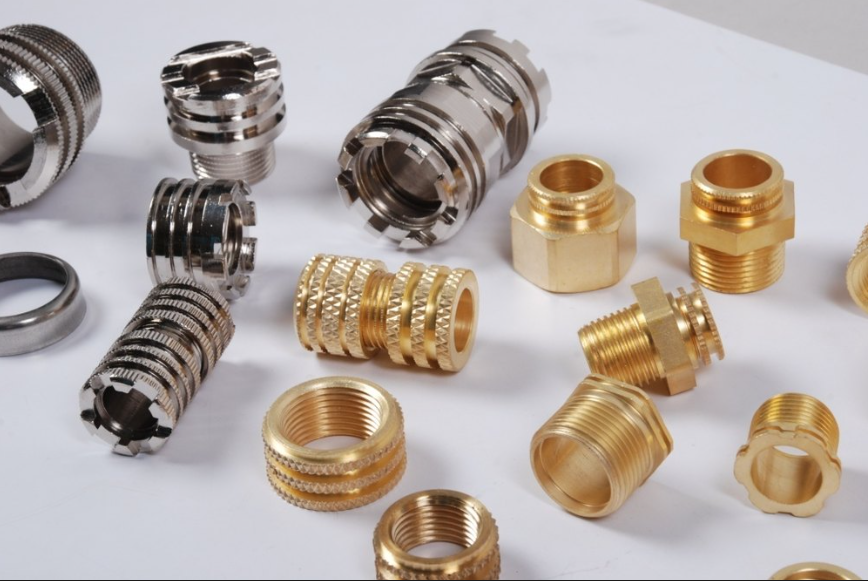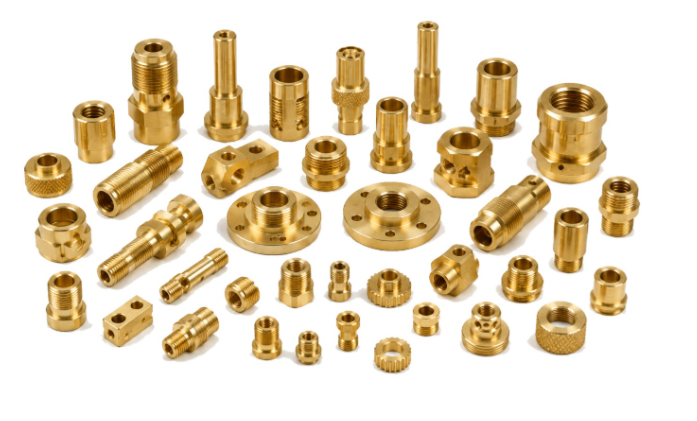
Modern plumbing and piping systems demand strong, dependable connections which can withstand pressure, temperature changes and long-term use. Brass PPR & CPVC Inserts are a reliable threaded metal connection inside plastic piping components and are used extensively in plumbing, water supply, sanitary and industrial piping systems.
JV Enterprise is manufacturing precision Brass PPR Inserts and Brass CPVC Inserts as per customer drawings, dimensions, thread specifications and application requirements. These inserts blend the strength of brass with the lightweight and corrosion resistant qualities of PPR and CPVC piping systems.
What Are Brass PPR & CPVC Inserts?
Brass PPR and CPVC inserts are metal parts made to fit inside plastic pipe fittings. That brass piece gives you a solid threaded connection for hooking up valves, taps, pipes, fittings, and other parts.
PPR and CPVC bring great qualities to modern plumbing setups, but their threaded areas sometimes need extra mechanical strength. A well-made brass insert creates a dependable link between the plastic fitting and metal-threaded components.
PPR inserts (for polypropylene random copolymer pipes) are pressed or welded into the pipe end, creating a secure joint. CPVC inserts work similarly but are designed for chlorinated polyvinyl chloride pipes, often used in hot and cold water systems.
The brass core provides strong, corrosion-resistant threads, while the plastic sleeve bonds with the pipe for a tight seal. This makes them common in plumbing for water heaters, faucets, and valves.
A dedicated insert tool is usually needed for installation. If you’re comparing types or picking the right one for a project, I can help outline the key differences.
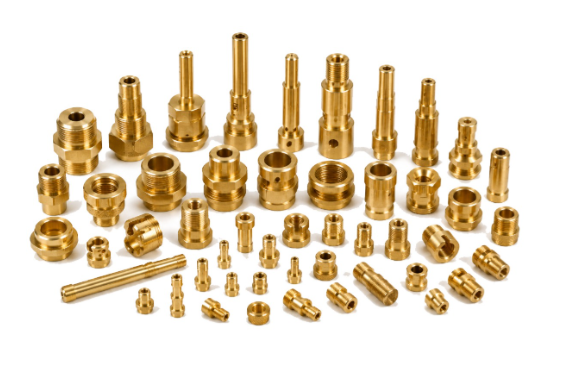
Brass Inserts for PPR Fittings
PPR (Polypropylene Random Copolymer) is commonly used in hot- and cold-water plumbing systems.
Brass inserts can be integrated into PPR fittings such as:
- PPR elbows
- PPR tees
- PPR sockets
- PPR couplings
- PPR female fittings
- PPR male fittings
- Wall-mounted plumbing fittings
- Water connection fittings
The brass insert creates a strong threaded section while the surrounding PPR material provides the required piping characteristics.
Brass Inserts for CPVC Fittings
CPVC (Chlorinated Polyvinyl Chloride) is another widely used material for plumbing and water distribution systems.
Brass inserts can be used in CPVC fittings for:
- Water supply connections
- Plumbing fixtures
- Valves
- Taps and faucets
- Pipe adapters
- Sanitary fittings
- Industrial piping connections
Depending on the design, inserts can be manufactured with internal or external threads and customized dimensions.
Why Use Brass Inserts in PPR & CPVC Fittings?
Pairing brass with plastic in threaded plumbing connections brings a range of practical benefits.
Strong Threaded Connection :-
One of the standout features is the strength of the connection—brass threads can handle much higher mechanical loads than plastic alone. This really matters in plumbing, where fittings are often tightened and need to resist both torque and long-term stress. If you’ve ever seen threads fail in plastic-only fittings, you know how frustrating that can be.
Excellent Machinability :-
Brass is also incredibly machinable. Skilled technicians can cut threads, carve out grooves, and add knurling with impressive precision. This level of detail ensures each insert meets tight tolerances, helping the brass component fit snugly and securely inside PPR or CPVC fittings. Dimensional consistency isn’t just a nice-to-have—it prevents leaks, cross-threading, and other installation headaches.
Corrosion Resistance :-
Then there’s the matter of corrosion. While not all metals are equal here, the right brass alloy with a good finish stands up well to the range of water qualities you’ll find in plumbing. This resilience makes brass a reliable choice for both residential and commercial applications, ensuring longevity even when the environment isn’t ideal.
Custom Manufacturing :-
Another important point: Customization is possible. Brass inserts aren’t locked into one-size-fits-all molds. Manufacturers can follow detailed customer drawings, accommodate different thread standards, and tweak dimensions or designs for unique situations. If a project has a tricky or specialized requirement, chances are a brass insert can be tailored to fit.
Dimensional Accuracy :-
Altogether, using brass with plastic leverages the strengths of both materials—the toughness and precision of brass, combined with the flexibility and corrosion resistance of modern plastics—to create threaded connections that are not just functional, but built to last.