
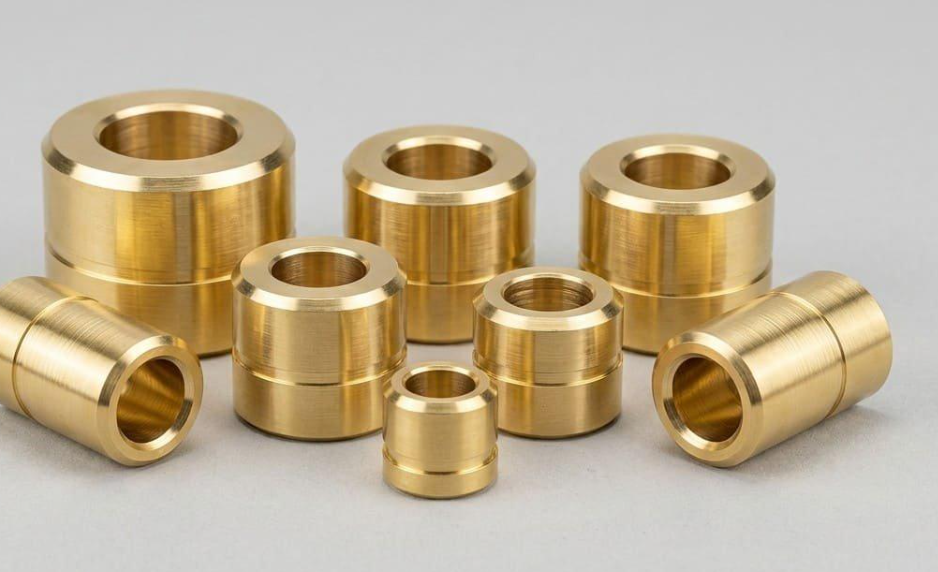
In modern manufacturing, even a small component can make a significant difference to the performance of an assembled product. Brass bushes are widely used in mechanical and electrical assemblies where accurate dimensions, dependable fitting and consistent component quality are important.
JV Enterprise focuses on brass components and precision-manufacturing solutions for industrial applications. Brass bushes can be produced in different dimensions, shapes and configurations to suit specific assembly requirements, subject to manufacturing capabilities and specifications.
Whether used as a sleeve, spacer, threaded insert or supporting component, a properly specified brass bush helps manufacturers achieve reliable assembly and consistent product performance.
What Is a High-Performance Brass Bushes ?
So, technically, a brass bush is basically this chunk—usually cylindrical, sometimes fancier—that slips inside or surrounds other bits and pieces in a machine. Brass bushings play a bunch of roles: they help space things out, keep stuff lined up, offer a spot for threading, and kind of shield parts from wearing each other down.
And you can’t just eyeball one and grab it off the shelf; it’s not only about the shiny look. You gotta pay attention to the inner diameter, outer diameter, how long it is, thickness of the wall, and obviously what you’re planning to do with it.
Brass itself is a mix of copper and zinc. This stuff is pretty easy to machine, it doesn’t rust easily (well, in most places), and you can make fairly complex shapes with it. There’s different grades, though—not all brass is created equal. The right mix depends on what kind of stress, electrical stuff, or weather it’s gonna face. Pick accordingly or regret later, honestly.
Why Brass Is Used for Bush Manufacturing
The choice of material affects machining, fitting, durability and overall component performance. Brass offers several useful properties for suitable industrial applications.
1. Excellent Machinability
Many brass grades are well suited to turning, drilling, threading and other machining operations. This makes brass a practical choice for manufacturing small, accurately dimensioned bush components.
2. Good Corrosion Resistance
Brass offers resistance to corrosion in many common operating environments. However, the level of protection depends on the alloy grade, surrounding materials and exposure conditions.
3. Accurate Threading and Fitting
Brass bushes can be manufactured with internal or external threads when the design requires them. Accurate thread dimensions and suitable tolerances help components fit correctly during assembly.
4. Versatile Component Design
From simple cylindrical sleeves to stepped or threaded bushes, brass supports a wide range of component geometries. The final design can be selected according to the assembly’s functional requirements.
5. Suitability for Different Industries
Depending on the selected alloy, design and specifications, brass bushes can serve a variety of industrial, electrical, plumbing and equipment-manufacturing applications.
Types of Brass Bushes
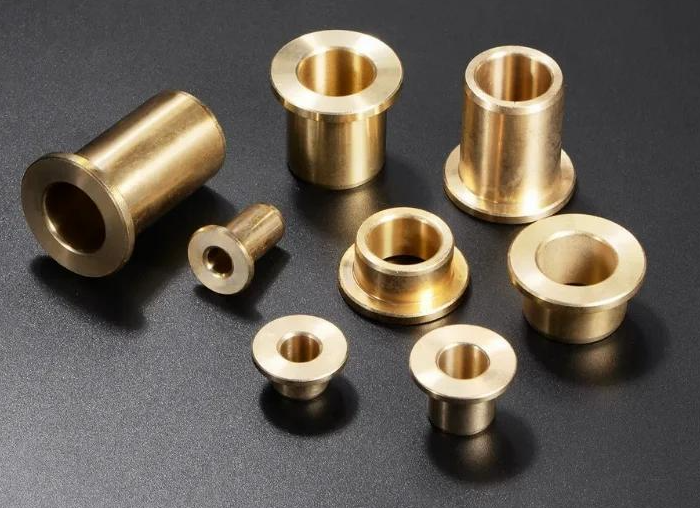
Brass bushes are available in different designs to fulfil different assembly functions. The following types describe common design configurations; actual product availability depends on the manufacturer’s capabilities.
1. Plain Brass Bushes
Plain brass bushes have a straightforward cylindrical design, generally featuring a central bore. They can be used as sleeves, spacers or fitted components in suitable mechanical assemblies.
Their dimensions should be selected according to the required clearance, load conditions and surrounding components.
2. Threaded Brass Bushes
Threaded brass bushes feature internal or external threads for applications that require a screw connection or threaded mounting arrangement. Thread pitch, diameter and engagement length are important when specifying these components.
They may be suitable for selected equipment housings, mounting assemblies and industrial fittings.
3. Flanged Brass Bushes
Flanged brass bushes incorporate an extended rim at one end. The flange can provide a locating surface or help control the component’s position within an assembly.
Flange diameter, thickness and overall length must match the application design.
4. Precision Brass Bushes
Precision brass bushes are manufactured to specified dimensional requirements for assemblies where accurate fitting and repeatability are essential. Their production may involve controlled turning, drilling, boring and finishing operations.
Component drawings and tolerance requirements help establish the appropriate manufacturing process.
5. Custom Brass Bushes
Custom brass bushes are designed around application-specific requirements. These may include unusual dimensions, stepped profiles, special threads, specific bore sizes or other features required by the final assembly.
Providing a technical drawing or a sample part can help establish the design and manufacturing requirements.
Industrial Applications of Brass Bushes
Brass bushes can be incorporated into a variety of products and assemblies. Their actual suitability depends on the design, operating conditions and selected material.
Electrical Equipment: Specially designed brass bushes may be used in selected electrical assemblies, equipment housings and mounting arrangements.
Industrial Machinery: Plain or precision bushes can serve as sleeves, spacers or locating components in suitable mechanical equipment.
Plumbing and Fluid-Handling Equipment: Certain brass bush designs are used as threaded adapters or connecting components where compatible with the fluid, pressure and temperature requirements.
Automotive Assemblies: Application-specific brass bushes may be used in selected non-critical fittings, housings and mechanical assemblies where the material meets the design requirements.
General Engineering: Custom brass bushes are useful for equipment manufacturers that require specific dimensions, threaded features or repeatable component designs.
The correct bush should always be selected according to its intended function rather than its material alone.
How Brass Bushes Are Manufactured
Manufacturing quality begins with the component drawing and continues through machining and inspection. The precise process depends on the bush design, order quantity and required tolerances.
Step 1: Specification and Material Selection
The manufacturer reviews the component drawing, dimensions, brass grade, thread details and application requirements before production begins.
Step 2: Brass Material Preparation
Suitable brass stock is selected and prepared according to the component design and intended machining process.
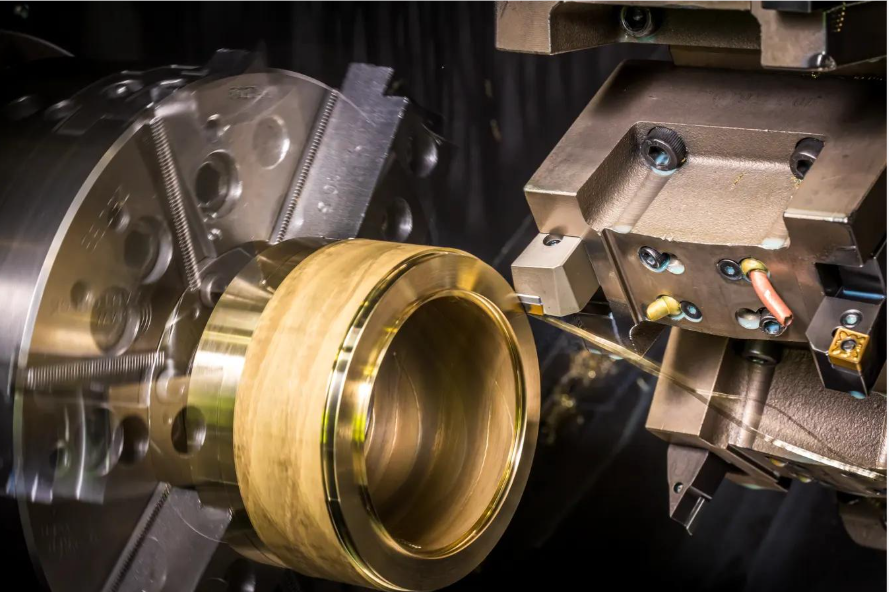
Step 3: Turning and Machining
Turning operations establish the external profile, while drilling or boring operations create the required internal diameter. Additional machining may be needed for shoulders, grooves, flanges or other features.
Step 4: Threading and Finishing
Where required, internal or external threads are machined. Deburring and appropriate finishing operations help prepare the component for assembly.
Step 5: Dimensional Inspection
Critical dimensions, bore sizes, lengths, thread details and surface condition are checked against the agreed specifications. Inspection requirements should be defined according to the component’s intended use.
Step 6: Packing and Dispatch
Accepted components are prepared for packing and dispatch according to the order requirements, with suitable protection to help prevent damage during handling and transportation.
How to Choose the Right Brass Bush Manufacturer
Picking a brass bush manufacturer isn’t just about who’s got the lowest quote—it’s a bit more involved than that. If you want stuff to actually fit and work as planned, you’ve gotta dig a bit deeper.
Here’s what to actually check before you start waving your money around:
Manufacturing chops – Does the supplier genuinely know how to handle your weird sizes, those awkward profiles, or special threads? You don’t want someone who just says “yeah, sure” and then delivers something that looks like a doorstop.
Material details – Be clear about which brass grade you want (because not all brass is created equal), and honestly, tell them if you need anything fancy for a special application.
Accuracy game – Get nerdy with your tolerances. Spell out exactly how tight you want the bore, OD, length, whatever—don’t leave it to their imagination.
How they check quality – Seriously ask, “How do you check if my parts are actually correct?” If they’re pulling numbers out of thin air, maybe walk away. Even better if they’ll send you measurement reports.
Custom work – Will they work off your engineering drawings or just scribbles on a napkin? Make sure you’re both talking about the same thing.
Order size and repeats – What’s their minimum batch? If you end up loving them, can you set up hassle-free repeat orders? Clear it up to avoid future drama.
Delivery timing – Set down realistic (keyword: realistic) timelines for getting your stuff made and shipped. Guesswork here = headaches later.
Basically, ask questions. Way more questions than you think you need to. Saves a world of pain once you go into production.
A clear technical specification helps reduce misunderstandings and supports a more reliable manufacturing process.
Why Consider JV Enterprise for Brass Bush Requirements?
JV Enterprise serves the brass components manufacturing sector from Jamnagar, Gujarat, India. For buyers exploring brass bush solutions, sharing the application details and component specifications is a useful starting point for discussing manufacturing suitability.
When enquiring about a brass bush, provide the required dimensions, brass grade, thread details, estimated order quantity and any available technical drawing. These details help clarify the scope of the requirement and the specifications that need to be confirmed.
For custom components, the final manufacturing plan should be agreed upon after reviewing the drawing, tolerances, material requirements and inspection criteria.
Businesses seeking a brass bush manufacturer in India can use this information to prepare a clear and technically complete enquiry for JV Enterprise.