
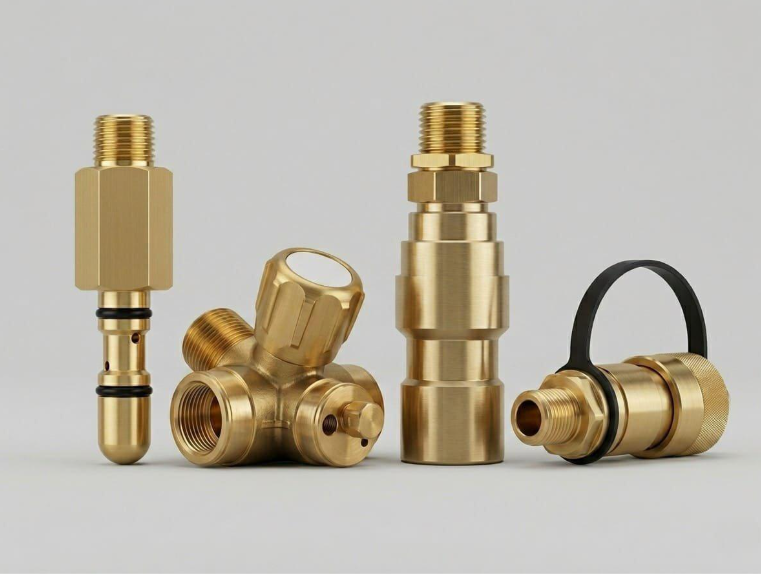
Reliable Brass CNG & PNG Gas Parts: Small Components That Matter in Gas Systems
When it comes to gas supply systems, even a small component needs to be manufactured with care. A fitting that does not match the required dimensions or a connection that fails to meet the necessary specifications can affect the safety and performance of the entire assembly. This is why the quality of brass CNG and PNG gas parts matters.
Brass is commonly used for selected gas-system components because it offers good machinability, corrosion resistance, and useful mechanical properties. It can be manufactured into different shapes and sizes to suit specific connection requirements.
Based in Jamnagar, Gujarat, JV Enterprise works with brass components and precision-machined parts for industrial applications. For buyers looking for customised brass gas components, the right material, accurate dimensions, and application-specific specifications are essential starting points.
Reliable Brass CNG & PNG Gas Parts?
CNG stands for Compressed Natural Gas, while PNG stands for Piped Natural Gas. Both are used as fuel sources, but their storage, distribution, and operating arrangements can differ.
Brass components are used in certain gas assemblies to provide connection, fastening, control, or fitting functions. Depending on the design, these parts may be incorporated into gas connectors, regulator assemblies, valves, and other gas-related equipment.
The design of each component depends on where it will be installed, the gas pressure involved, the connection type, and the applicable safety requirements. Not every brass fitting is suitable for every gas application, so material and product specifications must be checked before use.
Types of Brass CNG & PNG Gas Components
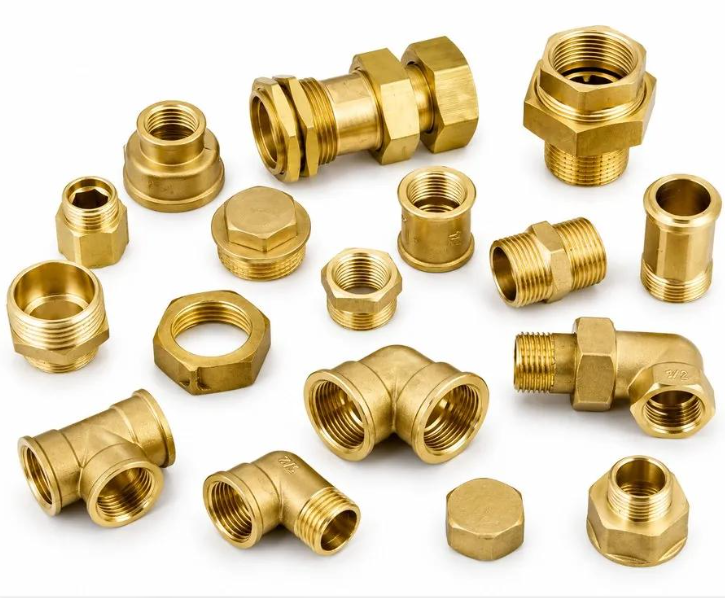
Gas systems use a range of components, each designed for a particular purpose. Common categories include the following.
1. Brass Gas Connectors
Brass gas connectors are designed to join compatible parts within a gas assembly. Their dimensions, thread profiles, and connection design must match the intended equipment to support a suitable fit.
2. Brass Gas Fittings
These fittings connect sections of compatible gas equipment or piping systems. Depending on the application, they may be manufactured in different shapes, sizes, and thread configurations.
3. Brass Valve Components
Selected gas valve assemblies use brass parts for connection, mounting, or other mechanical functions. The component’s design and material must meet the operating pressure, temperature, and relevant gas-system standards.
4. Brass Regulator Components
Gas regulator assemblies may contain brass components used for specific connection or mechanical functions. Their dimensions and material properties must be appropriate for the regulator design and intended service conditions.
5. Custom-Machined Brass Gas Parts
Some equipment manufacturers require components that are not available in standard sizes. These parts can be produced to customer drawings, approved samples, thread specifications, and dimensional requirements.
For custom manufacturing, it is important to identify the intended gas, operating conditions, and applicable product standards before finalising the component design.
Where Are Brass CNG & PNG Gas Parts Used?
Depending on their design and certification, brass components may be used in various gas-related applications, such as:
- CNG equipment and compatible connection assemblies
- PNG distribution equipment
- Gas regulator assemblies
- Gas valve and connector assemblies
- Industrial gas equipment
- Approved gas fittings and related accessories
The suitability of any component depends on its intended use and compliance with the applicable technical and safety requirements.
How to Choose the Right Brass Gas Parts Manufacturer
Finding a manufacturer is not just about comparing prices. For gas-related components, buyers also need to consider technical compatibility and manufacturing consistency.
Here are five things worth checking before placing an order.
1. Material grade
Ask which brass alloy is being used and whether it is suitable for the intended gas-service conditions.
2. Dimensional requirements
Share accurate drawings, measurements, thread details, and tolerances. Small differences can affect how a component fits into an assembly.
3. Pressure and application requirements
Make sure the component is designed for the intended operating conditions and meets the relevant requirements for the specific gas application.
4. Quality checks
Discuss dimensional inspection, material verification, traceability, and any testing or certification required for the finished component.
5. Custom manufacturing support
If you need a non-standard design, check whether the manufacturer can work from technical drawings or approved samples and maintain consistency across production batches.
For CNG and PNG applications, always use components that are suitable for the intended service and meet the required safety standards. General-purpose brass fittings should not be assumed to be safe for gas service.
JV Enterprise – Brass Components from Jamnagar, Gujarat
Jamnagar has a well-established brass manufacturing industry, supplying components for a wide range of industrial applications. JV Enterprise is based in this manufacturing centre and focuses on brass products and precision-machined components.
For businesses sourcing brass CNG and PNG gas parts, clear communication about the intended application is important. Sharing the required dimensions, brass grade, thread specifications, quantity, and applicable standards helps establish whether a component can be manufactured to the required specification.
JV Enterprise can be contacted to discuss brass component requirements and customised manufacturing enquiries. Buyers should confirm gas-service suitability, product approvals, and any necessary testing before selecting components for installation in gas systems.
Custom Brass Gas Components Made to Your Specifications
Standard fittings may work well for many applications, but some equipment designs require specific dimensions or connection details. Custom-machined brass components offer a way to meet these requirements when the design and material are appropriate for the intended use.
Before requesting a quotation, prepare the technical drawing or sample, required quantity, material specification, thread details, and application information. Providing these details at the beginning can make discussions about manufacturing feasibility and product requirements much more straightforward.